
★★★★ Abstract: the organization of the Visigothic army: an overview spanning from Romanization to the fall of the kingdom in the 8th century, with particular attention paid to the cultural aspects of the subject. Autore: Schwerpunkt Link: Schwerpunkt https://www.youtube.com/watch?v=7w-moXbp_go&t=2s
The Anglo-Saxon Chronicle
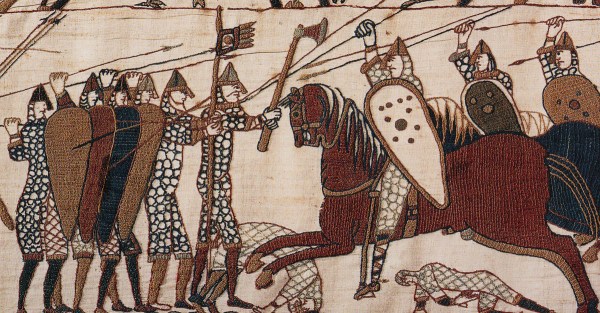
Abstract: Compiled initially in the late 9th century during the reign of King Alfred the Great, the Anglo-Saxon Chronicle is the earliest continuous historical narrative recorded in any Germanic vernacular. Surviving across multiple distinct manuscripts, this collection of annals traces the origins of the English people from antiquity through the Norman Conquest and beyond. The... Continua a leggere →
Chi erano i Turcopoli?
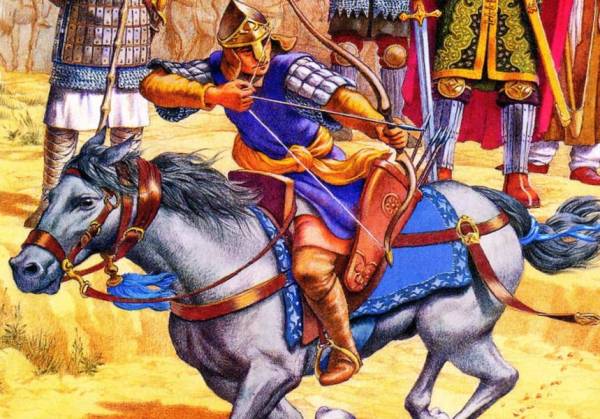
★ I Turcopoli erano una cavalleria leggera, composta prevalentemente da arcieri, inquadrata negli eserciti crociati in Terra Santa. La loro origine risaliva ai Bizantini, i quali furono i primi ad utilizzarli in funzione anti turca; e il nome con il quale venivano designati “Tourkopoloi”, significava letteralmente “figli di Turchi”; quindi si trattava probabilmente di schiavi... Continua a leggere →
Infantry versus Cavalry: The Byzantine Response
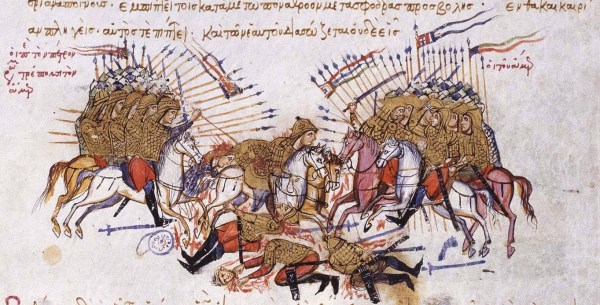
★★★ The Byzantines encountered many different nations on the battlefield during their long history. The surveys of foreign peoples in the military manuals amply illustrate the Byzantines' readiness not only to analyze the tactics and characteristics of their enemies, but also even to learn from them when necessary (1). Their recognition of the need to... Continua a leggere →
The Crusades and Military History
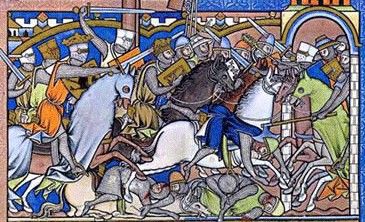
★★★ This study is concerned with the military history of the crusades to the Eastern Mediterranean (1). Because of my own limitations, it is chiefly about the period down to the end of the thirteenth century. Now the Crusades seen in this way occupy an interesting position in the historiography of medieval warfare. They were... Continua a leggere →
La doctrine républicaine de la guerre à l’épreuve de l’offensive
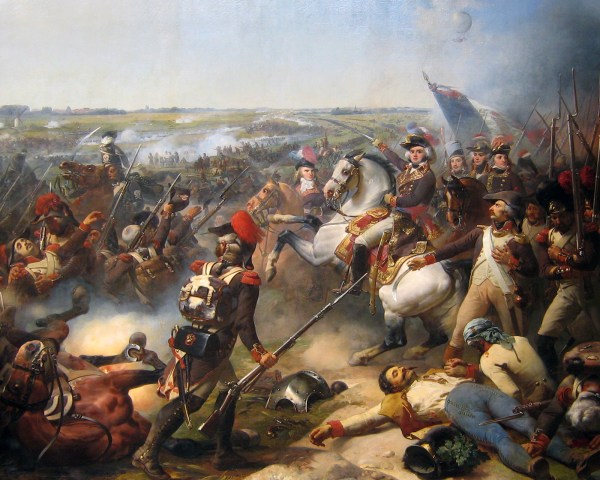
★★★ Le printemps 1794 ouvre une nouvelle période de l’histoire militaire de la Révolution française. Après les immenses périls de 1793, le territoire national est dégagé et les révoltes intérieures sont matées. Le 26 juin 1794, la victoire de Fleurus contre les Autrichiens est la manifestation éclatante de ce retournement de situation. La France retrouve... Continua a leggere →
The “Great Fear” in the United Kingdom, 1802-1805
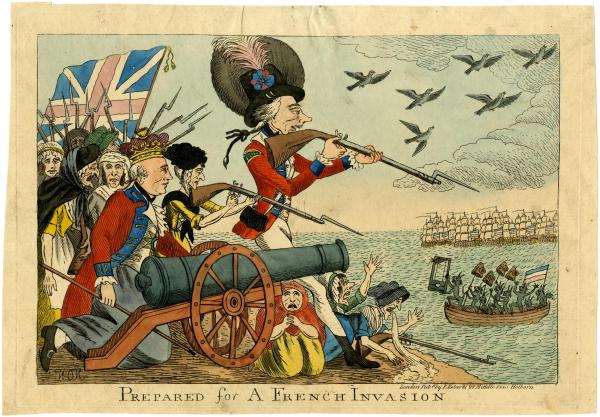
★★★ Abstract: The years 1802-1805 in Britain were characterised at the time as “the Great Fear”, because of the invasion threat posed by the French troops and military machinery massed opposite the south coast of England (only 27 miles and a single tide away). This article reviews the attempts by the British, both governmentally and... Continua a leggere →
GUERRA MONDIALE DEL VII SECOLO
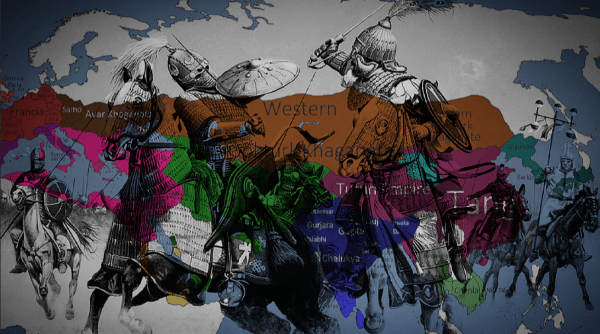
★★★ Abstract: Lo storico ed etnologo russo Lev Nikolaevič Gumilëv definì la guerra romano-sasanide del 602-628 «la guerra mondiale del VII secolo», perché coinvolse direttamente o indirettamente gran parte del mondo eurasiatico con l’Impero romano d’Oriente e i suoi alleati (Khaganato dei Turchi occidentali, Cazari, armeni) che si contrapposero all’Impero sasanide e ai suoi alleati... Continua a leggere →
Military Interactions between the Neo-Assyrian Army and Ancient Iranian Peoples: Implications for the Development of Cavalry Warfare (II)
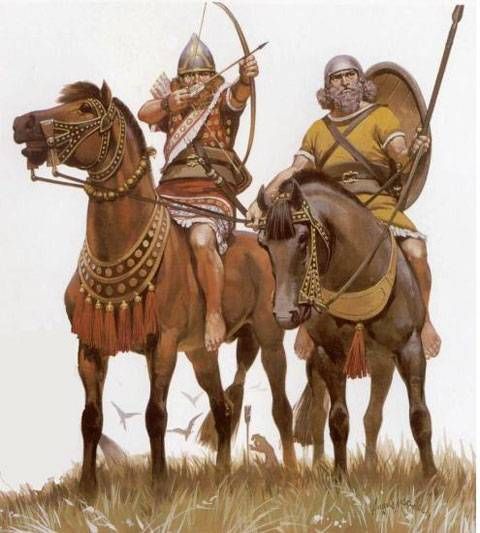
★★★★ Assyrian campaigns against northwest iran, elam and the medes Twenty-one years after Tiglath-Pileser III's Iranian campaign, king Rusa I of Urartu (730-714 BCE) attacked Manna in 716 BCE, capturing 22 of their strong-holds. Sargon II counterattacked against the Urartians, defeating them in 715-714 BCE (Melville 2016, 116-140). The Manna kingdom was now increasing-ly transformed... Continua a leggere →
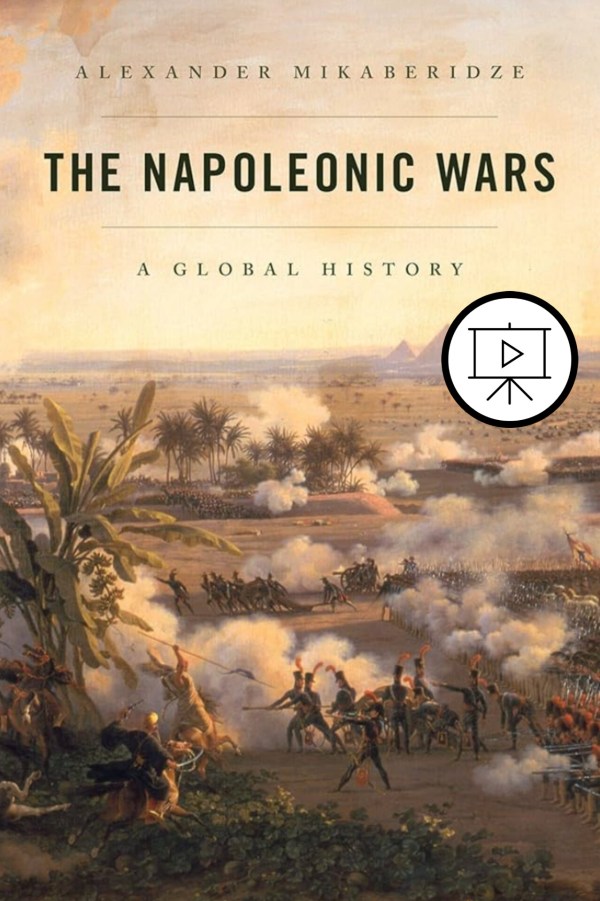
The Napoleonic Wars, by Alexander Mikaberidze Audiobook preview
Experts, including Congressional Strategic Posture Commission Commissioners, examine the future of US nuclear strategy to develop nonpartisan policies addressing key security challenges facing the nation.

