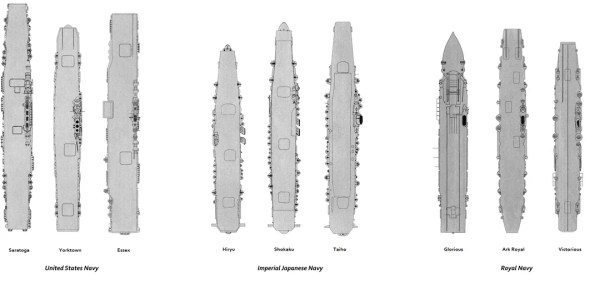
★★★★★ In 1919, three major naval powers—Great Britain, Japan, and the United States—faced two major challenges: integrating new technology into their doctrines and organizations, and coping with reduced naval expenditures and arms treaties that carne as a postwar reaction to armaments spending. In effect, money available for naval development and construction was declining at precisely... Continua a leggere →
Il Trattato di Washington e la Terza Repubblica Sviluppo navale francese e rivalità con l’Italia, 1922-1940
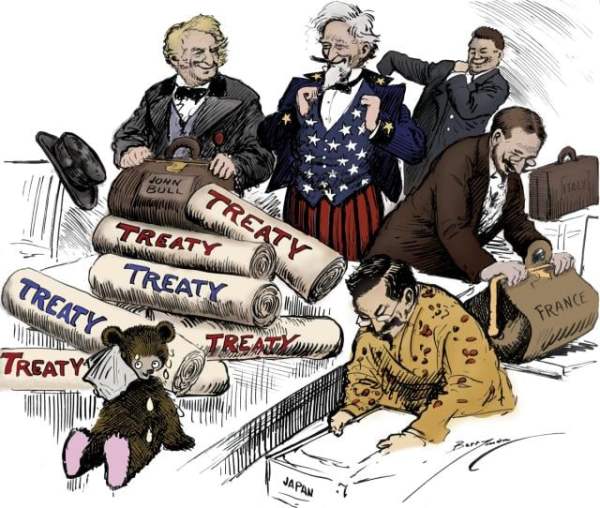
★★★★★ At he 1921-1922 Washington Conference on naval arms limitation had a profound effect on the French Navy. For the Marine Nationale, as in the other signatory fleets—those of Great Britain, the United States, Japan, and Italy—the conference and resultant treaty stymied capital ship construction. However, in its attempt to forestall a battleship arms race... Continua a leggere →
I fortini romani del deserto Orientale egiziano
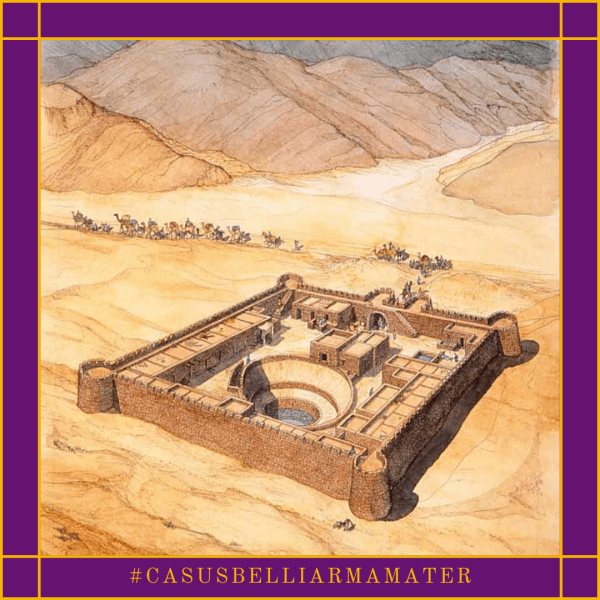
★★ Il deserto Orientale egiziano sin dall’epoca faraonica è stato una regione strategica, tanto per le sue ricchezze minerarie, quanto per il fatto che esso era attraversato dalle piste che permettevano alle carovane di mercanti di raggiungere gli scali sul Mar Rosso, porta d’accesso ai floridi mercati d’Oriente. In età romana due erano i settori... Continua a leggere →
Una panoramica del modo di combattere in Europa tra il 1500 e il 1700
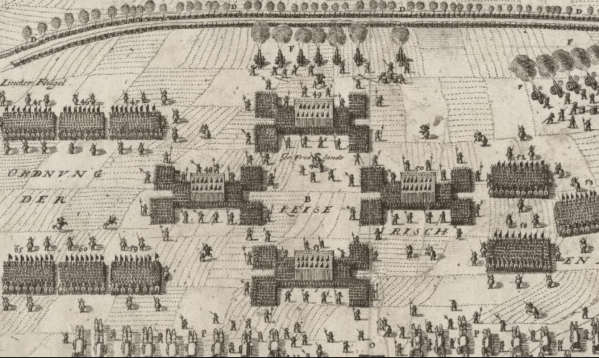
★★ È un periodo della storia molto importante ma spesso trascurato, in cui vari imperi europei stavano iniziando a emergere e combattevano molte guerre l'uno contro l'altro. Mentre l'era moderna è spesso vista in una luce molto positiva a causa dello sviluppo tecnologico durante questo periodo e del progresso che è stato raggiunto, questo periodo... Continua a leggere →
The Rise of Heavy Infantry and the Demise of Heavy Cavalry at the End of the Medieval Period
★★★ Medieval era extended from approximately the fifth to fifteenth century CE. While philosophers of the time examined the works of ancient writers to understand history and human nature, military leaders of the period also looked to the past for answers to the challenge of heavy cavalry. One group in particular, the Swiss, emerged with... Continua a leggere →
Dalla guerra alla gloria: l’eredità del 1812 nella formazione di un’identità russa e l’influenza sul popolo
★★★ IntroduzioneIl 24 Giugno 1812 la Grande Armée[1] attraversa il fiume Niemen: inizia così il conflitto tra l'impero Napoleonico e l'impero Russo, stati europei contro popoli della Russia., Uno scontro decisivo fra due giganti che decise il futuro del continente europeo, sconvolto da decenni di guerre e arrivato al punto decisivo della lotta fra la... Continua a leggere →
Rivoluzione della fanteria del XII secolo: influenze degli arcieri a cavallo sulle tattiche europee
★★★★ La fanteria era una componente necessaria degli eserciti medievali occidentali: era relativamente economica da schierare ed equipaggiare, non richiedeva addestramento per combattere a cavallo ed era ampiamente disponibile per il reclutamento. Di conseguenza, i soldati di fanteria costituirono la maggior parte delle forze europee durante il Medioevo (V-XV secolo) nonostante i numerosi cambiamenti nei... Continua a leggere →
The introduction of new German defensive tactics in 1916-1917 (II)
★★★★★ The Test of Battle and Further Development of Doctrine. The Anglo-French Entente spring offensive of 1917 began with a serious German defeat at Arras, but that was its high point. Subsequent British and French tactical gains and captures of men and matériel bore no relationship to the plans for a breakthrough, the hopes of... Continua a leggere →
The introduction of new German defensive tactics in 1916-1917 (I)
★★★★★ The crisis of the battle of the Somme forced the German army to introduce new tactics.[1] By the start of the battle, German defensive methods had moved away from the pre-war system of establishing and holding one strong line. Doctrine issued in October 1915 called for the construction of at least two positions, far... Continua a leggere →
Il combattente nell’Occidente medievale
★★★★ Popoli e comunità in armi In più di un'occasione, nel Medioevo, un intero popolo o società fu mobilitato per la guerra, a scopo di invasione e conquista (come nel caso dei popoli germanici nel IV, V e VI secolo), o, al contrario, a scopo difensivo, come quando una città era sotto assedio, quando i... Continua a leggere →