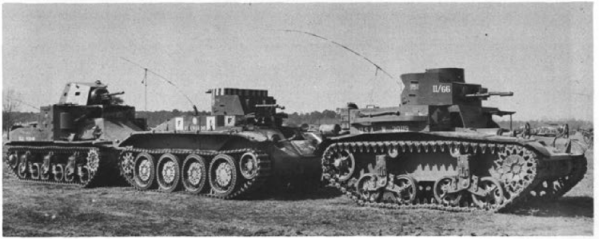
★★★ Official War Department doctrine called for tanks to be used as dose support weapons for the infantry, thus the wartime practices for the employment of tanks would continue. A board of officers convened by the War Department in 1919 to study tank tactics recognized the value of tanks as an adjunct to the infantry... Continua a leggere →
The Development of American Armor 1917-1940 (I)
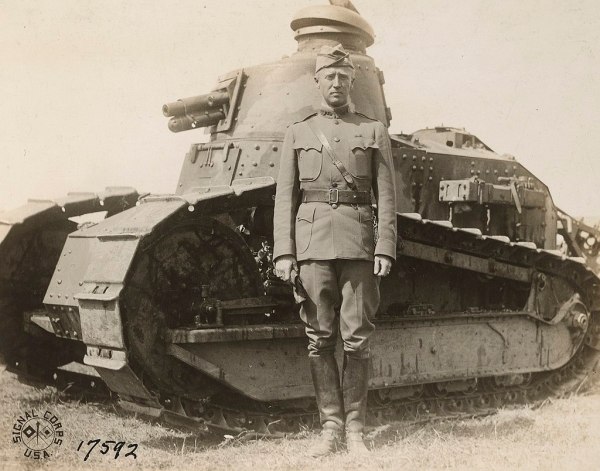
★★★ The world war I experience When the United States entered World War I, in April 1917, tanks had yet to prove their capabilities. Following the Battle of the Somme in 1916, the Allies had employed tanks with disappointing results. Because of their poor performance, the American Military Mission in Paris declared tanks a failure.... Continua a leggere →
Combined Arms Theory and Practice in the 20th Century
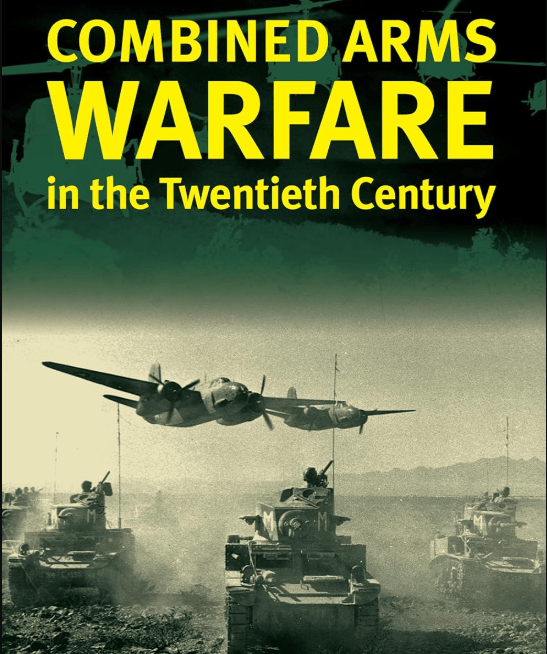
★★ Part 1: England: "Hurry up and proceed with caution!" In 1918, the British Empire was the world leader in both the development of armored equipment and tactics. The attitude prevalent at the time in most armies was still that the tank was a specialized infantry-support weapon useful in crossing entrenchments but not much else.... Continua a leggere →
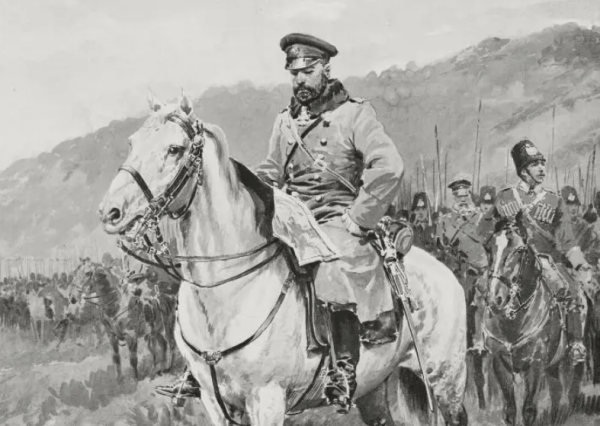
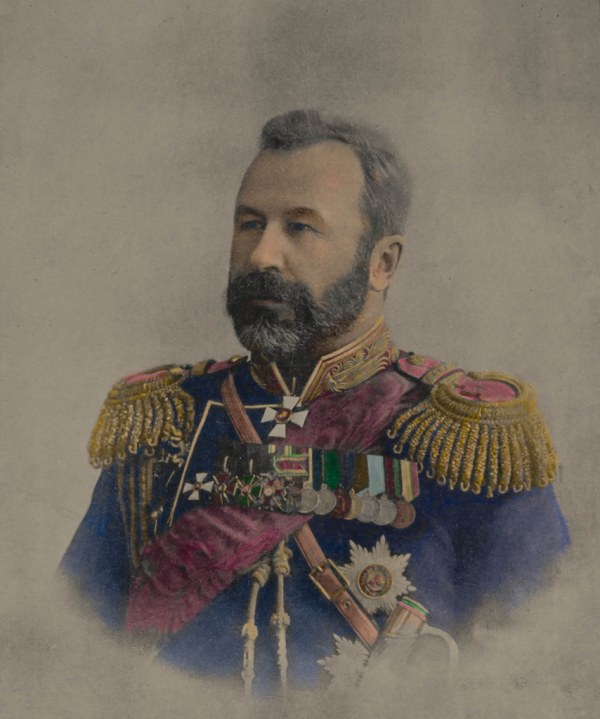
The Russian army and the Japanese war – Critical comments by General Kuropatkin (III) [ed. 1909]
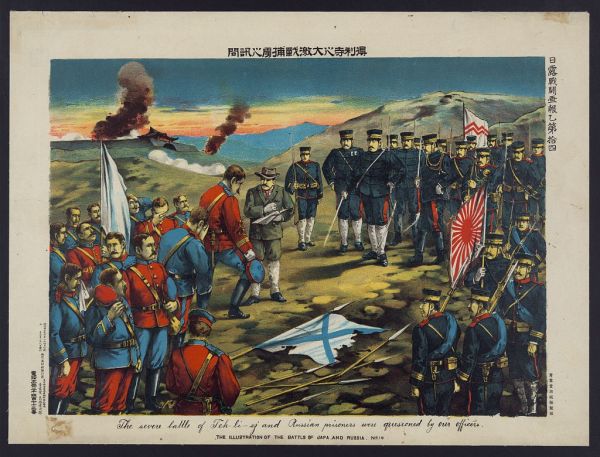
★★★★ WHY THE JAPANESE WERE SUCCESSFUL The army we put in the field was unable to defeat the Japanese in the time allotted to it. Many historians will probably essay to solve the riddle of how a Power, which we regarded as belonging to the second class, and one which not long ago possessed no... Continua a leggere →
The Russian army and the Japanese war – Critical comments by General Kuropatkin (II) [ed. 1909]
★★★★ REASONS FOR OUR REVERSES Against this part of the memorandum I wrote the words, “It would be better to do it simultaneously.” On my way to the front I received a telegram from General Sakharoff, dated March 21, in which he said that my request for the troops guarding the line to Harbin to be... Continua a leggere →
The Russian army and the Japanese war – Critical comments by General Kuropatkin (I) [ed. 1909]
★★★★ REASONS FOR OUR REVERSES The minor part played by the fleet—The small carrying capacity of the Siberian and Eastern Chinese Railways—Absence of any diplomatic arrangements to permit of the unhampered dispatch and distribution of our forces—Delay in mobilization of reinforcements—Disadvantages of “partial mobilization”—Transfer during the war of regulars from military districts in European Russia... Continua a leggere →
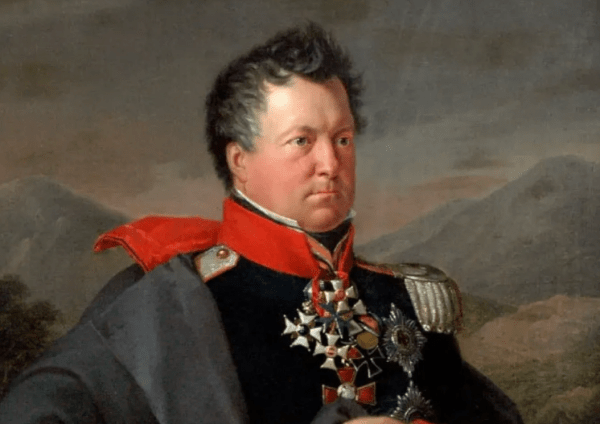
August Neidhardt von Gneisenau
★★★★ Though many of the figures central to the reform of the Prussian army and state that took place between the battle of Jena-Auerstadt (1806) and the final defeat of Napoleon (1815) were of humble birth, none came from circumstances more desperate than those of August Neidhardt von Gneisenau. Gneisenau was born on the 27th... Continua a leggere →
Measuring combat effectiveness: a novel method based on two-dimensional frontline advancement rate
★★★★ Accurately measuring combat effectiveness is a cornerstone of military and political science research. Lanchester (1916) laid the foundation for this field with his renowned Lanchester equations, which focus on quantifying casualties based on the number of engaged combatants. These equations have profoundly influenced subsequent research, inspiring numerous variants over the decades. Notable adaptations include... Continua a leggere →
L’impiego tattico della fanteria durante la guerra Russo-Giapponese [ed.1911]
★★★★ Sebbene della guerra russo-giapponese non sia stata ancora pubblicata la storia ufficiale, pure le notizie che ci sono fin qui pervenuta per opera essenzialmente dello stato maggiore tedesco e di quello inglese, nonché per le numerosissime opere uscite fino ad ora sull'argomento, hanno ormai dissipata la fitta nebbia che fino a poco tempo fa... Continua a leggere →
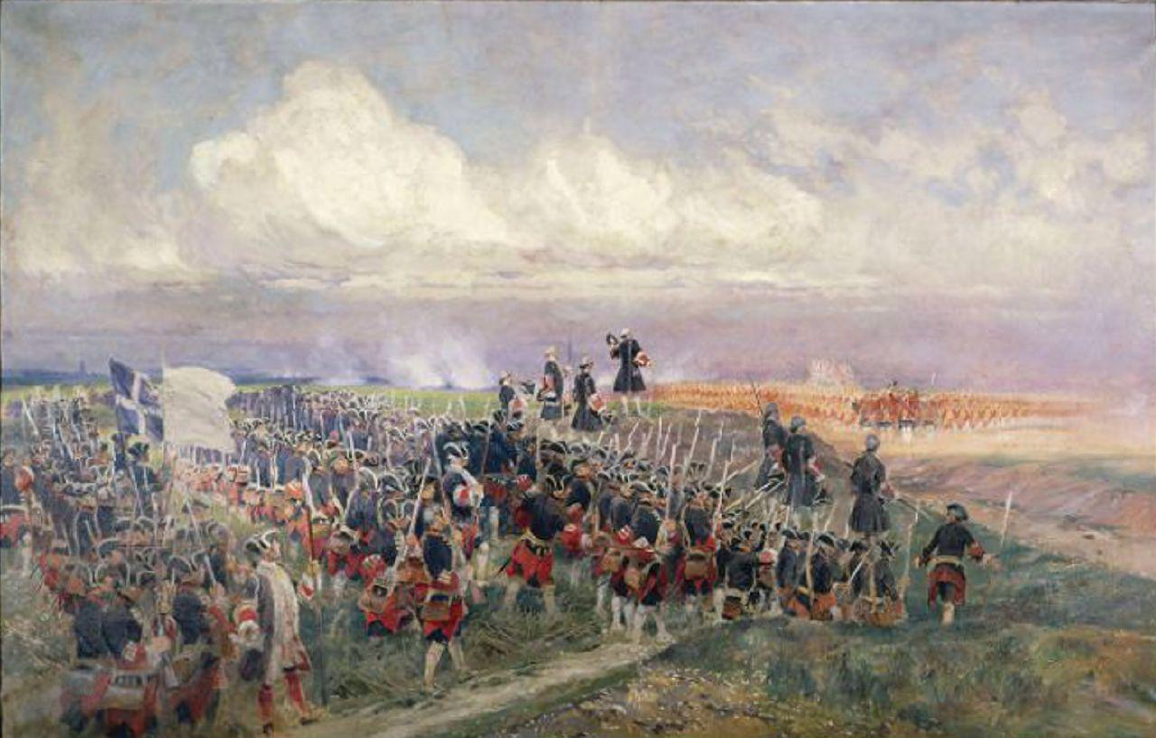
La potenza di fuoco come rivoluzione della “battle effectiveness” settecentesca
13 minuti In un articolo precedente [1] ho trattato – sommariamente e senza la pretesa di essere esaustivo – quella rottura di faglia che furono le Small Wars ed il loro impatto sugli esercizi e sulle loro dottrine di impiego. Circa un secolo prima di questa lenta e diluita “rivoluzione”, dai risvolti non subito evidenti,... Continua a leggere →