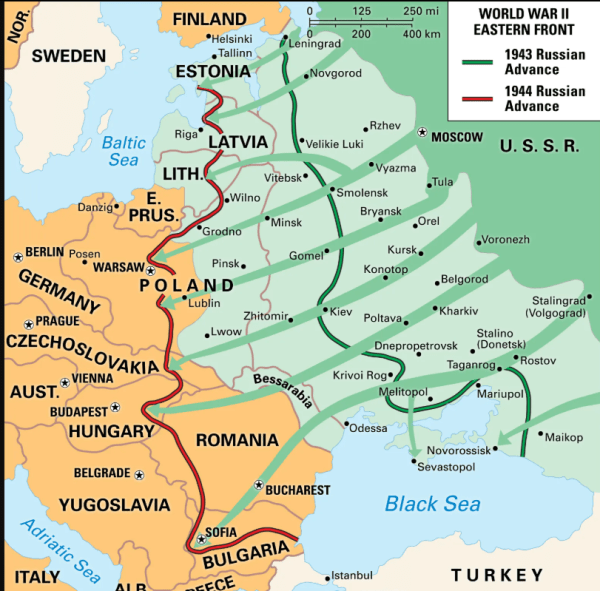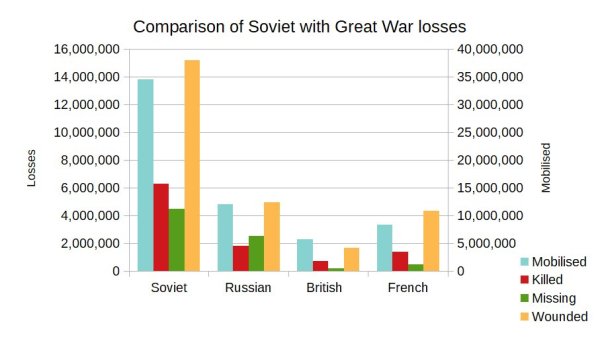
★★★★ IntroductionThe Soviet-German War 1941–1945 was unprecedented in the scope of its size and scale, covering a vast geographic area and utilizing millions of people, horses, and machines, as well as a huge scale of destruction of population and property.[1] This has posed a challenge to historians to both understand the war and then portray... Continua a leggere →
Il fenomeno delle “perdite” nella storia militare
★★ L'origine delle perdite Il mondo militare ha un linguaggio che lo caratterizza. A seconda dell'epoca, della cultura e delle sottigliezze linguistiche, termini e persino concetti precisi finiscono per emergere e radicarsi nella letteratura specifica di questo universo. A volte alcuni di questi concetti e termini, che preferisco semplicemente chiamare "espressioni", vengono utilizzati indiscriminatamente, perdendo... Continua a leggere →
Mongols and Maneuver Warfare (II)
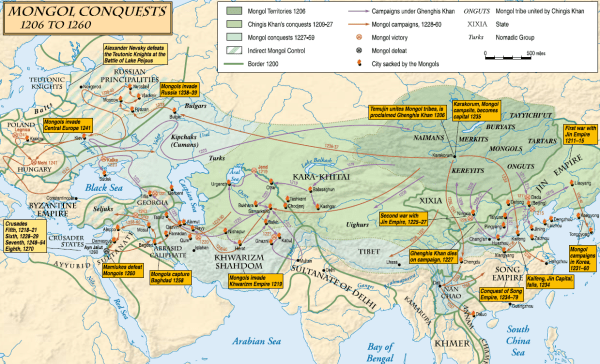
30 minutes The Mongol Invasion of Europe "The greatest happiness is to vanquish your enemies, to chase them before you, to rob them of their wealth, to see those dear to them bathed in tears, to clasp to your bosom their wives and daughters." Genghis Khan In 1227, Genghis Khan died at the age of... Continua a leggere →
Mongols and Maneuver Warfare (I)
21 minutes Introduction Genghis Khan was born sometime between 1155 and 1167 (some sources place 1162 as the date, but there is no confirmation) into the Borjigin clan on the bank of the Onon River, east of Lake Baikal. He was born with the name Temujin (or Temuchin, based on which source you use), which... Continua a leggere →
Existe-t-il une culture stratégique européenne ?
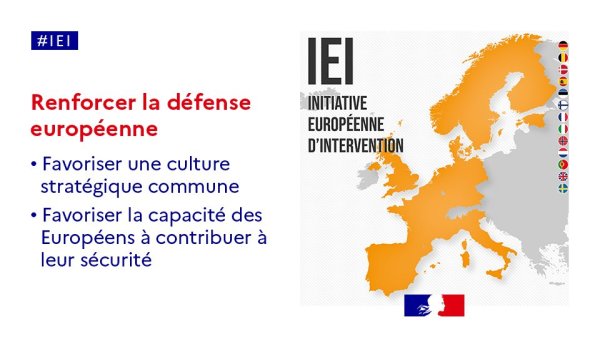
29 minutes La notion de « culture stratégique » s'impose aujourd'hui dans la théorie des relations internationales, où elle combat le courant constructiviste. Cette perspective m'était encore étrangère lorsque, au début des années 1990, j'ai utilisé l'expression pour caractériser l'expérience stratégique des Etats-Unis et de la France[1]. Essentiellement historien de formation, je m'appuyais fortement sur... Continua a leggere →
Shooting from tanks from closed firing positions, pros and cons
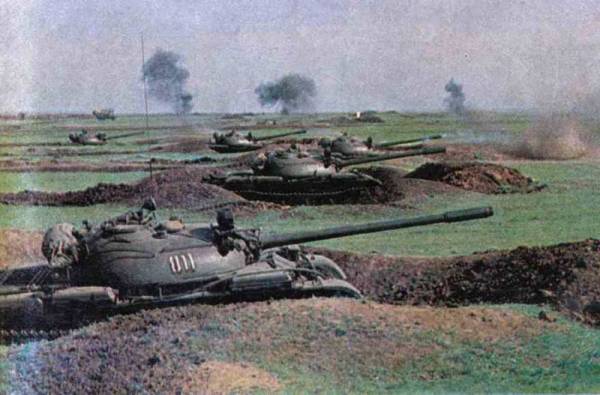
★★ It is know that everything new is well forgotten old. This expression reflects the essence of the historical research method widely used in science. The study of any object and phenomenon from the point of view of the dialectic of its development from the moment of its appearance to the current state, the analysis... Continua a leggere →
Strategia, arte operativa e tattica
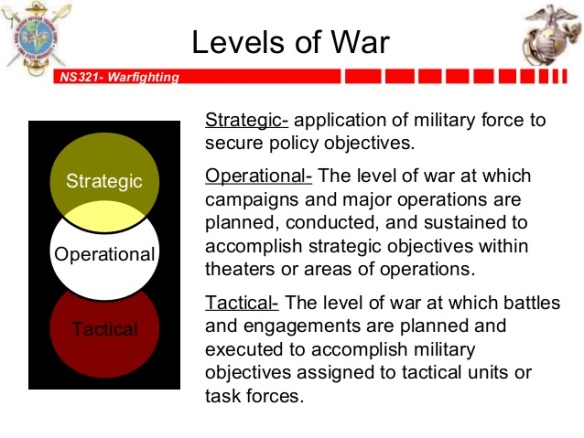
★★ In guerra, una comunità politica si sforza di imporre la propria volontà su un'altra, impiegando la forza militare. Ciò comporta generalmente l'inflizione, o la minaccia di inflizione, di un danno sostanziale ai membri della comunità nemica e alle loro proprietà. Naturalmente, l'altra parte non si sottometterà docilmente a questo: se lo farà, non ci... Continua a leggere →
Is it Useful for Military Officers to Study Military History?
★★ German historian Hans Delbruck, often regarded as the first modern military historian, believed the danger with military professionals studying military history was the fear that they transfer ‘phenomena from contemporary practice to the past without taking adequate account of the differences in circumstances’ (quoted in Howard, 1981, p.11). Indeed, Professor Michael Howard[1] (1981) contends... Continua a leggere →
Una storia dell’arte operativa (II)
★★★★ L'adozione dell'arte operativa da parte dell'esercito americano L'esercito americano era vagamente consapevole dei progressi compiuti dai sovietici nella teoria militare durante il periodo tra le due guerre. Tuttavia, l'esercito americano li disprezzava, in particolare il concetto di arte operativa. Fu liquidato come una "mera pretesa e una creazione artificiale imposta tra tattica e strategia... Continua a leggere →