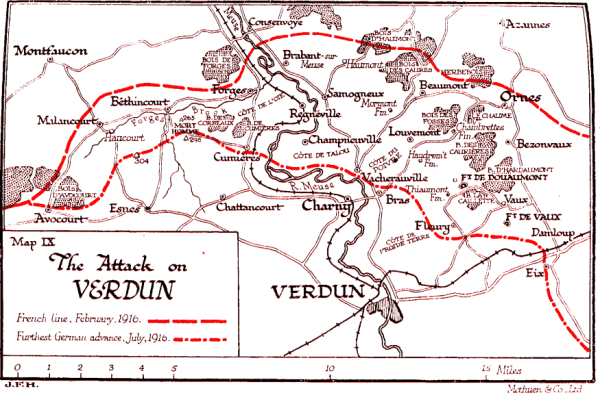
Measuring combat effectiveness: a novel method based on two-dimensional frontline advancement rate

★★★★ Accurately measuring combat effectiveness is a cornerstone of military and political science research. Lanchester (1916) laid the foundation for this field with his renowned Lanchester equations, which focus on quantifying casualties based on the number of engaged combatants. These equations have profoundly influenced subsequent research, inspiring numerous variants over the decades. Notable adaptations include... Continua a leggere →

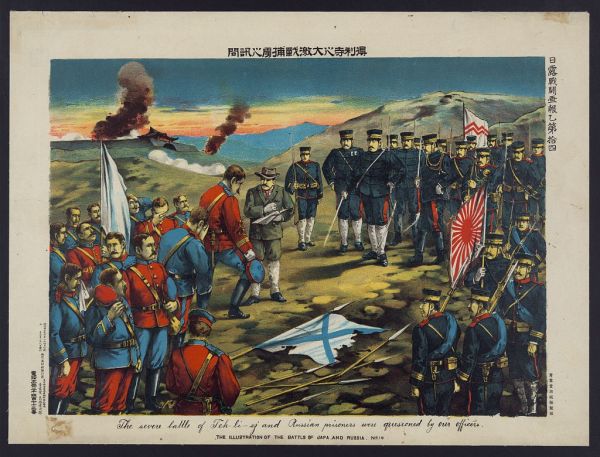
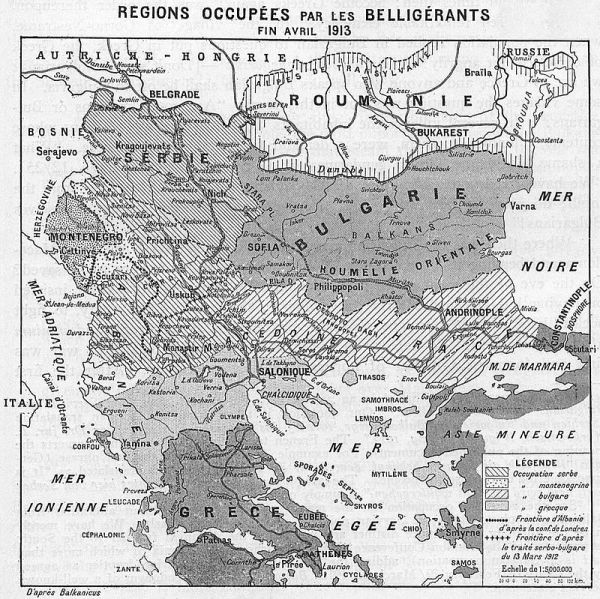
Le renseignement militaire tsariste dans les Balkans : Son évaluation des guerres de 1912-1913

★★★ Alors que la guerre russo-turque (avril 1877-mars 1878) battait son plein depuis trois mois déjà, un quotidien de Londres s'intéressait aux « attachés militaires en Europe », estimant que leur « position (…) était très délicate en ces temps de guerre » . Le propos du journaliste ne portait pas sur leur rôle dans le conflit en cours, mais sur leurs efforts... Continua a leggere →

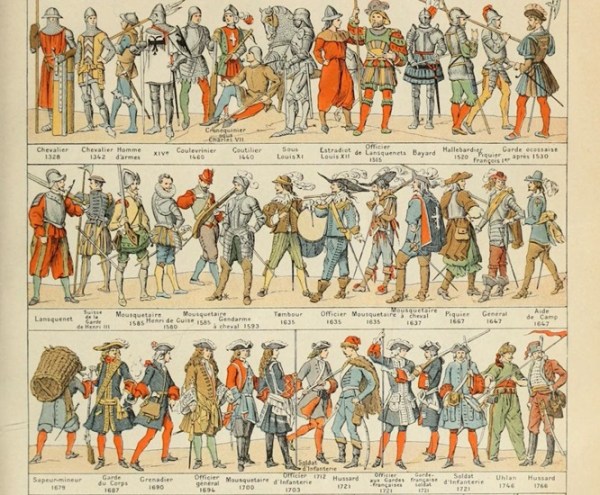
Histoire des institutions militaires françaises du Moyen Âge au XIXe siècle: d’une armée féodale à une armée moderne

★★ I - Les caractéristiques fondamentales de l’armée féodale De l’idée d’une armée à une armée féodale Les premiers concepts fondamentaux sont hérités de la tradition romaine. En Gaule, les troupes sont commandées par un maître de la cavalerie à Trèves sous les ordres d’un maître de la milice et de l’empereur. Le service militaire... Continua a leggere →

L’OPERAZIONE BRITANNICA “CHARIOT”

★★★ Abstract: Questo saggio analizza in modo approfondito, attraverso fonti britanniche ufficiali e documenti tedeschi inediti, la pianificazione e lo svolgimento dell’audace attacco condotto dalla Marina britannica contro la base navale tedesca di Saint-Nazaire, tra il 27 e il 28 marzo 1942. L’obiettivo principale dell’operazione era la distruzione del grande bacino di carenaggio situato sulla... Continua a leggere →

Strategy, Language, and the Culture of Defeat: Changing Interpretations of Japan’s Pacific War Naval Demise

★★ Introduction Military historians say that military history is written from the perspective of the victor. Japan’s naval defeat in the Pacific War, however, provides a highly arguable case. Much of the translated postwar literature on the Pacific War has been written from an Allied perspective which overemphasizes Japanese weaknesses, deemphasizes the strengths of the... Continua a leggere →

What went wrong in afghanistan: a primer

★★★ In 2001, the United States invaded and occupied Afghanistan, and eventually spent over a trillion dollars, as it and its allies killed some 170,000 Afghan citizens. Twenty years later, the United States withdrew from Afghanistan in defeat. Why was America there? Thucydides reminded us in The Peloponnesian War some 2,500 years ago that, war’s “three…strongest motives [are] fear, honor, and... Continua a leggere →

Blog su WordPress.com.

Su ↑