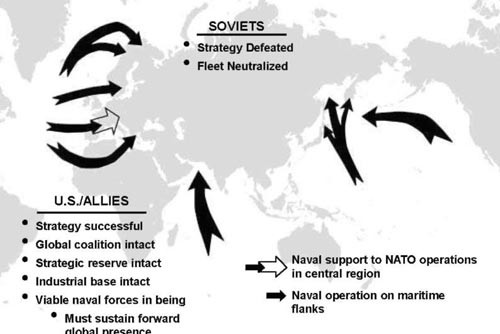
Cold War (1947-1991) ★★★★ A lecture, previously labelled “restricted”, delivered at the Naval War Collegeon 11 June 1952, in the Global Strategy Discussions. Basic strategy must be determined by a perpetual remembrance that the world is round. Like most other important observations this may be considered obvious, but its realization in the abstract and its... Continua a leggere →
Basic factors influencing our strategy (I)
Cold War (1947-1991) ★★★★ A lecture, previously labelled “restricted”, delivered at the Naval War Collegeon 11 June 1952, in the Global Strategy Discussions. Basic strategy must be determined by a perpetual remembrance that the world is round. Like most other important observations this may be considered obvious, but its realization in the abstract and its... Continua a leggere →
Mercenary in sixteenth and seventeenth-century England
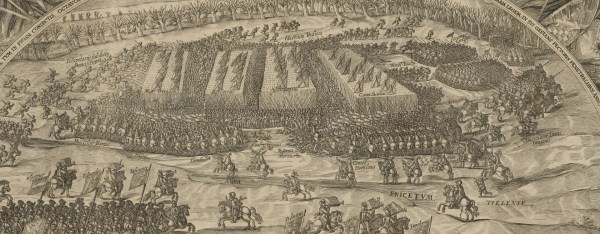
★★★★ The English word ‘mercenary’ is derived from the Latin mercenarius, a hireling or someone who is paid for work. The original etymology of the mercenarius is rooted in two other Latin words: mercari, to trade or exchange, and merx, commodity or merchandise. That wider meaning was frequently associated in general usage with faithlessness and... Continua a leggere →
War and ruomors of war: Japanese plans to Invade the Philippines, 1593–1637
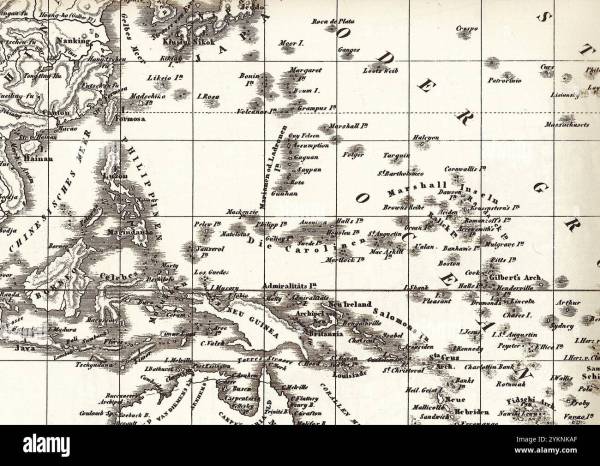
★★★ On three occasions between 1593 and 1637, the incumbent rulers of Japan gave serious consideration to sending military expeditions against the Spanish rulers of the Philippines. None of these proposed invasions ever set sail, but an examination of the plans made and the reasons they were not put into effect sheds considerable light on... Continua a leggere →
Military Interactions between the Neo-Assyrian Army and Ancient Iranian Peoples: Implications for the Development of Cavalry Warfare (I)
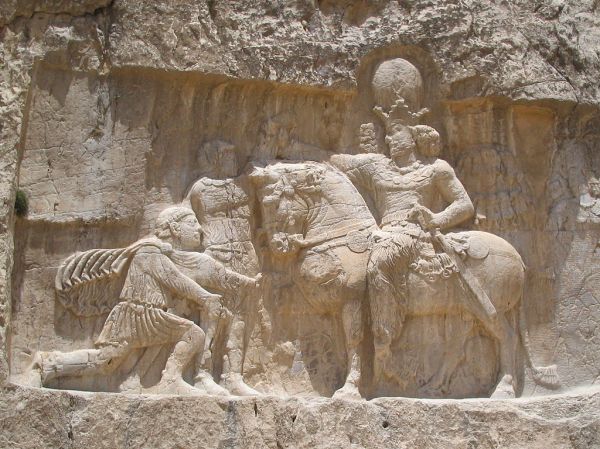
★★★★ The domestication of the horse and the invention of eque_rian technology is a momentous event in human history as this aected the nature of transportation, communications and by implication the diusion of languages and culture. Equestrian technology also a`ected the course of military history as this inaugurated the foundations of cavalry warfare. The horse... Continua a leggere →
Courage on Deadly Ground: U.S.C.T. Troops and Landmines
Guerra Civile Americana 1861-1865 ★★★ Following the issuance of the Emancipation Proclamation on September 22, 1862, United States Colored Troops (U.S.C.T.) were created throughout the country. Eventually comprising 163 U.S.C.T units, an estimated 40,000 Black soldiers died during the war.[1] Many were injured or killed by landmines, an innovative explosive weapon that was used for the... Continua a leggere →
Lo sviluppo della potenza militare tedesca tra le due guerre: tra mito e realtà (I)
★★★★★ Come strumento del regime nazista e della sua politica revisionista ed espansionistica rapidamente affermata, la potenza militare tedesca fu accuratamente messa in scena e celebrata con imponenti parate e altre dimostrazioni già prima della Seconda guerra mondiale. Dall'inizio della guerra fino al 1941, il rapido accumularsi di successi sbalorditivi (le campagne in Polonia nel... Continua a leggere →
Lo studio dell’arte militare in Russia: una revisione storiografica
★★★ Lo studio dell'arte militare, insieme allo studio dell'antichità, giunse in Russia dall'Occidente; ciò fu associato sia al sistema educativo ginnasiale sia alla ricerca scientifica universitaria. Gli affari militari non sono mai stati un argomento prioritario per gli studiosi classici. Naturalmente, questa rassegna si concentrerà su studi monografici (libri e dissertazioni) e, in assenza di... Continua a leggere →
Artiglieria russa 1941-1945
★★ La scarsità di informazioni sull'organizzazione e sul lavoro dell'artiglieria russa durante la recente guerra è da deplorare, poiché molte cose accadute durante questo conflitto devono essere di grande interesse per tutti i soldati. Il seguente tentativo di ricostruire alcuni aspetti dell'artiglieria di quella guerra a partire da scarsi frammenti di informazioni pubblicate è offerto... Continua a leggere →
“Andate a combinare qualche guaio!”. Il raid di Grierson e lo sviluppo delle tattiche di cavalleria nell’esercito dell’Unione
Guerra Civile Americana 1861-1865 ★★★ Il 13 aprile 1863, durante una breve licenza in Illinois, il colonnello Benjamin H. Grierson ricevette un telegramma dal maggior generale Stephen A. Hurlbut, comandante della guarnigione dell'Unione a Memphis, Tennessee. Pochi giorni prima, il maggior generale Ulysses S. Grant, comandante del Dipartimento del Tennessee, aveva dato istruzioni verbali a... Continua a leggere →