Articoli
Le scritture dei prigionieri italiani nella Grande Guerra (II)
MORFOLOGIA DELLA SCRITTURA È il 10 novembre 1918, il giorno precedente la fine ufficiale della Prima guerra mondiale. Cala il sipario sulla più grande carneficina che l’Umanità ha conosciuto sino a quel momento.…
Keep reading
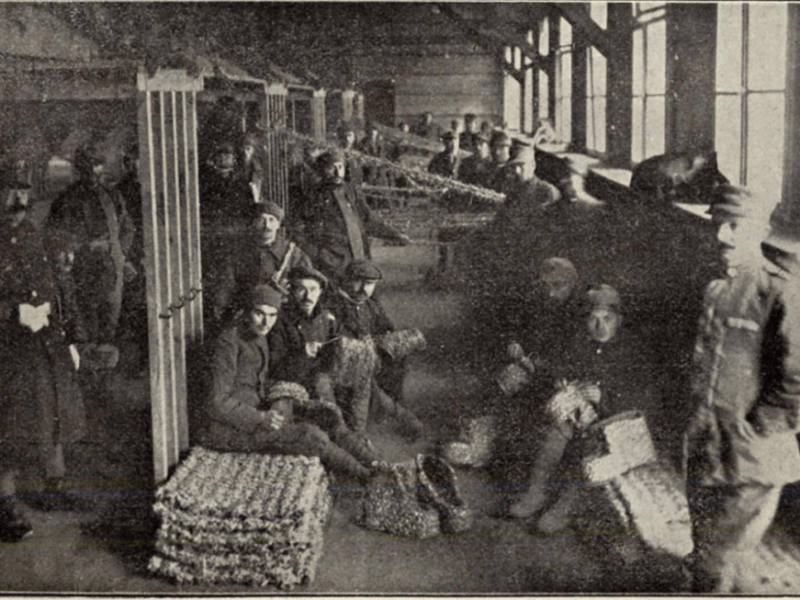
Le scritture dei prigionieri italiani nella Grande Guerra (I)
Abstract: I 600.000 italiani detenuti nella Prima guerra mondiale hanno prodotto una grande varietà di testi (lettere, diari, memorie, autobiografie, ricettari) che la storiografia non ha ancora studiato con sufficiente profondità e rigore.…
Keep reading
WARGAMES AS HISTORICAL DATA
Experts, including Congressional Strategic Posture Commission Commissioners, examine the future of US nuclear strategy to develop nonpartisan policies addressing key security challenges facing the nation.
Keep reading
NATO’s Early Cold War Lessons Show What US, Japan, and South Korea Must Do Now
In the not-so-distant future, a U.S. military commander in the Indo-Pacific could be forced to fight two major wars at once—one against a Chinese assault on Taiwan, the other against a North Korean…
Keep reading
WHAT DID THE WORLD LEARN FROM THE AMERICAN CIVIL WAR?
Experts, including Congressional Strategic Posture Commission Commissioners, examine the future of US nuclear strategy to develop nonpartisan policies addressing key security challenges facing the nation.
Keep reading

La Prima guerra mondiale (1914-1918) II – Fronte Orientale e i teatri esterni
Introduzione Proseguiamo il racconto delle principali fasi militari della Prima Guerra Mondiale esplorando le battaglie che si svolsero nell’Europa dell’Est, così come nei Balcani, nel Medio Oriente, per non parlare delle operazioni condotte…
Keep reading
La Prima guerra mondiale (1914-1918) I – Fronte Occidentale
Introduzione Questo è il primo di due articoli sulla Prima guerra mondiale del 1914-1918. Data la portata del conflitto e le diverse angolazioni da cui è possibile presentare le fasi principali, abbiamo scelto…
Keep reading
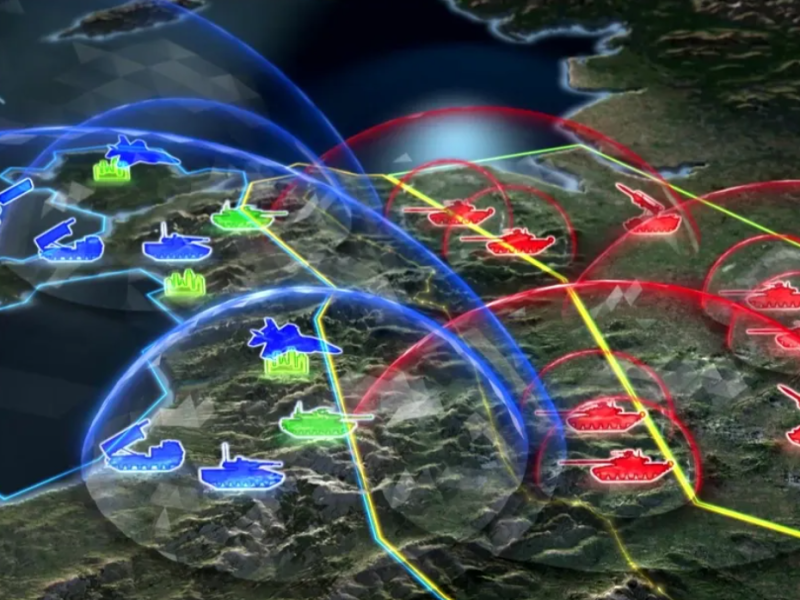
The Long Pivot The Development of the Joint Warfighting Concept
The final withdrawal of troops from Iraq in December 2011 left most U.S. military leadership with the desire to shift their focus from counterinsurgency—which had achieved a position of intellectual dominance in the…
Keep reading

Fundamentals of Guerrilla Warfare: Theory and Practice (II)
Guerrilla units operating in cities must solve strictly defined tasks, limited in scale, being, in fact, reconnaissance and sabotage groups. This is due to the fact that, according to their conditions (high population…
Keep reading
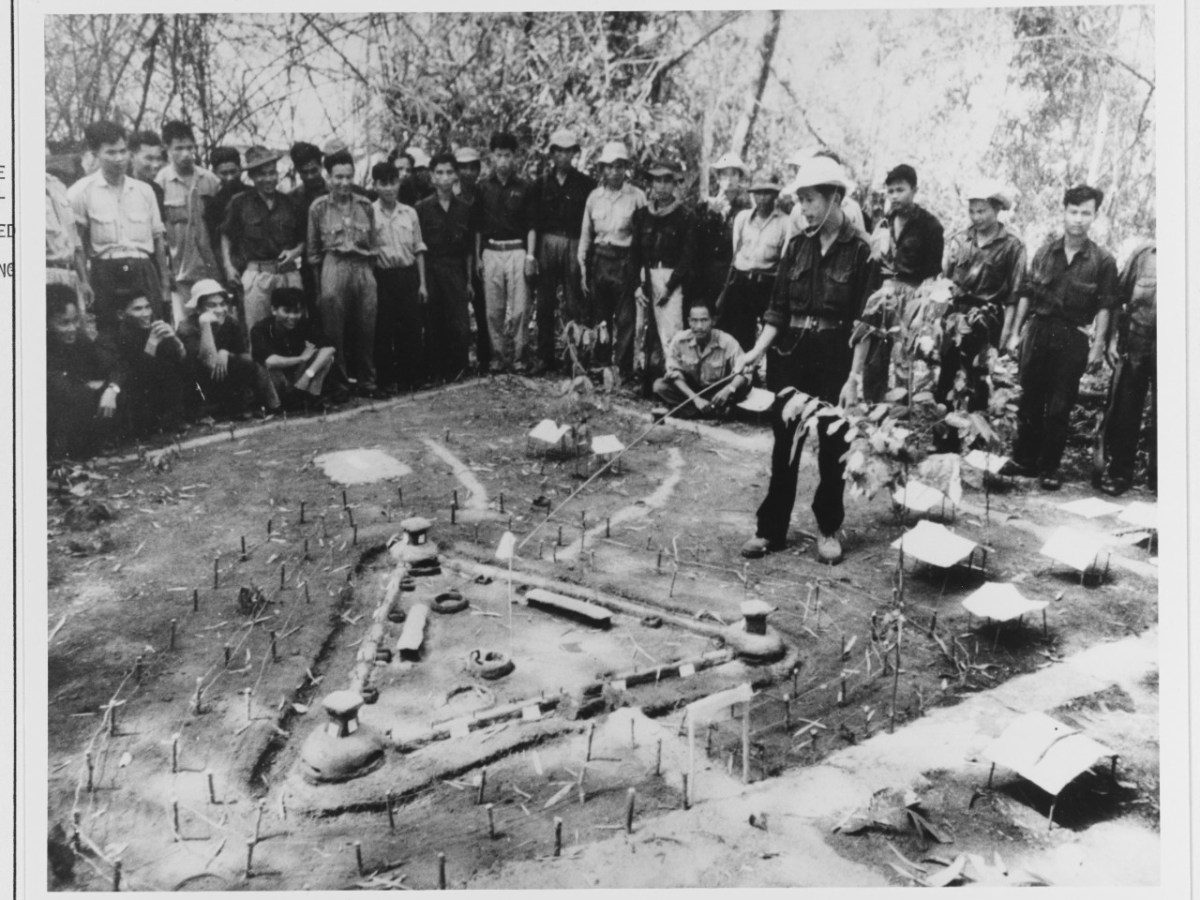
Fundamentals of Guerrilla Warfare: Theory and Practice (I)
DOZENS of more or less large-scale local conflicts that took place during the 20th century, as well as the experience of using guerrilla methods of armed struggle during World War II, allow us…
Keep reading
![Guerrilla Warfare [1954]](https://militartis.com/wp-content/uploads/2025/07/aay1907s.jpg?w=600&h=450&crop=1)
Guerrilla Warfare [1954]
No longer a limited military tactic, guerrilla warfare has political and economic consequences that can be more dangerous than the armed force employed. Guerrilla warfare is an open sore that annoys today, is…
Keep reading
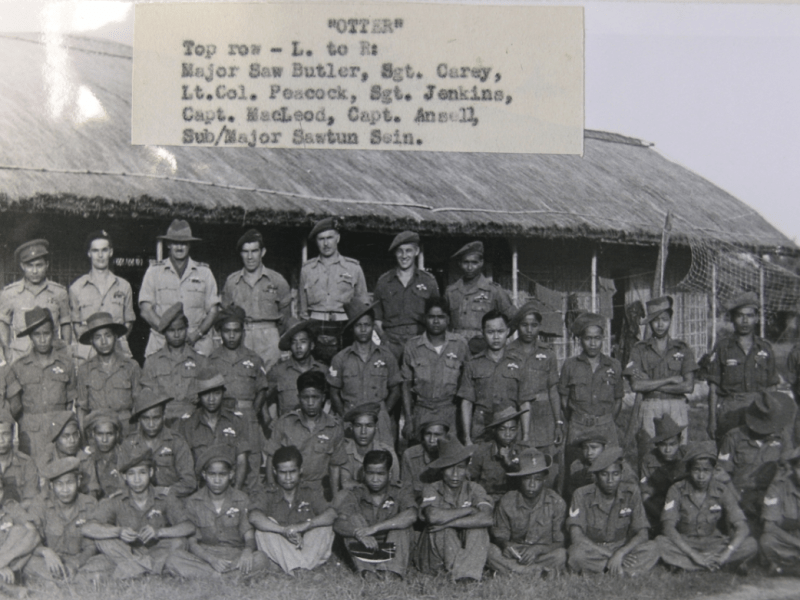
Intelligence Cooperation between the Kuomintang Agents and British Special Operations Executive in Singapore-Malaya, 1942–1945
The Special Operations Executive (SOE) in Singapore-Malaya during the Pacific War has consistently been a focal point of scholarly attention. In the existing academic and literary spheres, there is a plethora of research…
Keep reading

The grand strategy of carl von clausewitz
As the affairs of states continue to evolve into a complex web of interdependence, cooperation, and competition, pressure mounts on states to effectively employ the tools of statecraft to attain their political objects.…
Keep reading

German Mission Orders
Their Doctrinal and Operational Development from 1866-1940 and Mission Order Combat Illustrations from the 1870-71, 1914-18 and 1939-45 Wars “Orders are not written out in the minutest detail, a mission is merely given…
Keep reading
The Development of American Armor 1917-1940 (II)
Official War Department doctrine called for tanks to be used as dose support weapons for the infantry, thus the wartime practices for the employment of tanks would continue. A board of officers convened…
Keep reading

The Development of American Armor 1917-1940 (I)
The world war I experience When the United States entered World War I, in April 1917, tanks had yet to prove their capabilities. Following the Battle of the Somme in 1916, the Allies…
Keep reading
![Extending the Battlefield [ed. 1981]](https://militartis.com/wp-content/uploads/2025/06/screenshot-2025-06-16-135146.png?w=600&h=450&crop=1)
Extending the Battlefield [ed. 1981]
General Donn A. Starry made the following comments on the genesis of this March 1981 article and AirLand Battle: “The ultimate lesson of `Active Defense’ and the 1976 edition of FM [US Army…
Keep reading
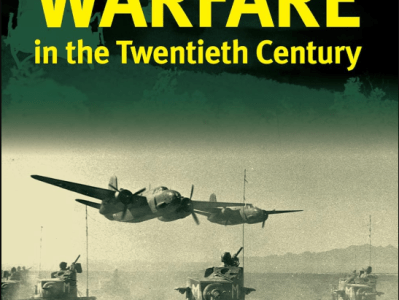
Combined Arms Theory and Practice in the 20th Century
Part 1: England: “Hurry up and proceed with caution!” In 1918, the British Empire was the world leader in both the development of armored equipment and tactics. The attitude prevalent at the time…
Keep reading
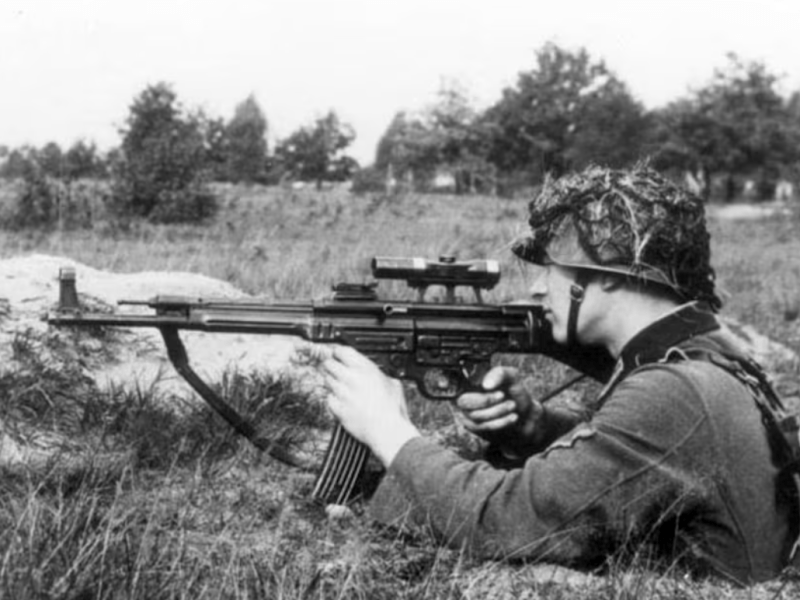
A Brief History of the StG 44 the Father of Assault Rifles
Once upon a time there were two cartridges: the rifle and the pistol. The first one hits far and hard, but is difficult to control, while the second one is convenient, they have…
Keep reading
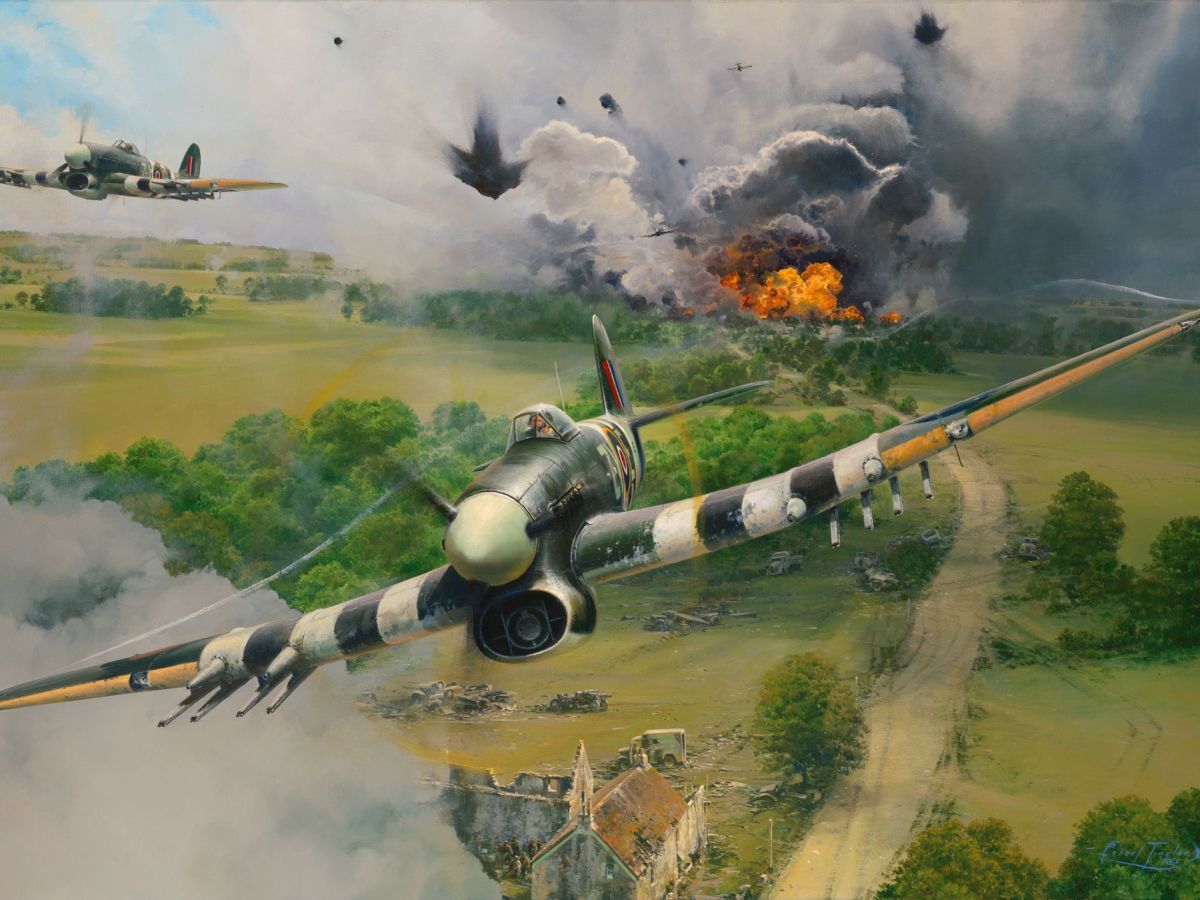
D-Day 1944 – Air Power Over the Normandy Beaches and Beyond
Operation Overlord, the Normandy invasion–like William the Conqueror’s before it or the Inchon landing afterwards–will long be studied as a classic in military planning, logistics, and operations. OVERLORD depended to a remarkable degree upon…
Keep reading
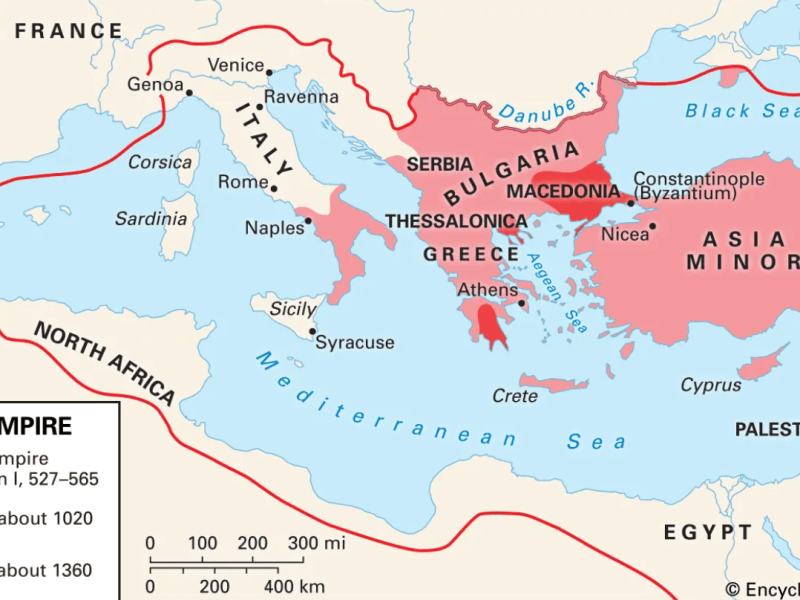
America’s Byzantine strategy
The Roman Empire was the longest-lasting empire in world history, enduring more than fourteen centuries. Throughout its republican and imperial history, Rome relied heavily on military power, using conquest to expand the empire.…
Keep reading
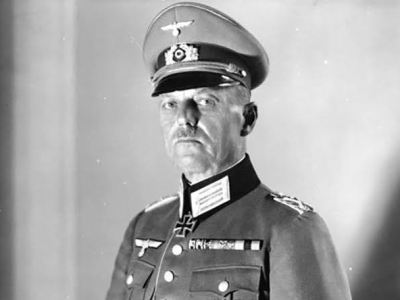
German Commander-in-Chief West, Field Marshal Karl R. Gerd von Rundstedt’s Report on the Allied Invasion of Normandy
Experiences from the Invasion Battles of Normandy A. Preliminary Remarks 1. Experiences fulfill their purposes only when they are quickly brought to the attention of the troops. This happens from time to time through…
Keep reading
![World War II Invasion of Normandy 1944 – The other side [III] Interrogation of Generalfeldmarschall Wilhelm Keitel](https://militartis.com/wp-content/uploads/2025/06/wilhelm-keitel.jpg?w=200&h=150&crop=1)
World War II Invasion of Normandy 1944 – The other side [III] Interrogation of Generalfeldmarschall Wilhelm Keitel
Questionnaire presented by US interrogators to Generalfeldmarschall (General Field Marshal) Wilhelm Keitel, Chief of the Oberkommando der Wehrmacht (OKW, Supreme Command of the German Armed Forces), concerning German plans for counter attacking against…
Keep reading
![World War II Invasion of Normandy 1944 – The other side [II] Interrogation of Generaloberst Alfred Jodl](https://militartis.com/wp-content/uploads/2025/06/alfred-jodl.jpg?w=200&h=150&crop=1)
World War II Invasion of Normandy 1944 – The other side [II] Interrogation of Generaloberst Alfred Jodl
Questionnaire presented by US interrogators to Chief of the Operations Staff of OKW, Alfred Jodl, concerning German plans for counter attacking against the Allies after the Invasion of Normandy. Invasion and Normandy Campaign…
Keep reading
![World War II Invasion of Normandy 1944 – The other side [I] Interrogation of Generalleutnant Rudolf Schmetzer](https://militartis.com/wp-content/uploads/2025/06/generalleutnant-rudolf-schmetzer.jpg?w=200&h=150&crop=1)
World War II Invasion of Normandy 1944 – The other side [I] Interrogation of Generalleutnant Rudolf Schmetzer
Interrogation of Generalleutnant [Lieutenant General] Rudolf Schmetzer concerning the construction of German defenses in Normandy, France. A) Fundamentals 1) Commands and organization of fortress engineers The sector corresponded exactly to the extent of command of…
Keep reading

Behind Enemy Plans: A Process-Tracing Analysis of Germany’s Operational Approach to a Western Invasion
No plan survives contact with the enemy. —Field Marshal Count Helmuth von Moltke the Elder Sixty-four years after Moltke’s observation, two mid-level German commanders, faced with the herculean task of changing the course…
Keep reading
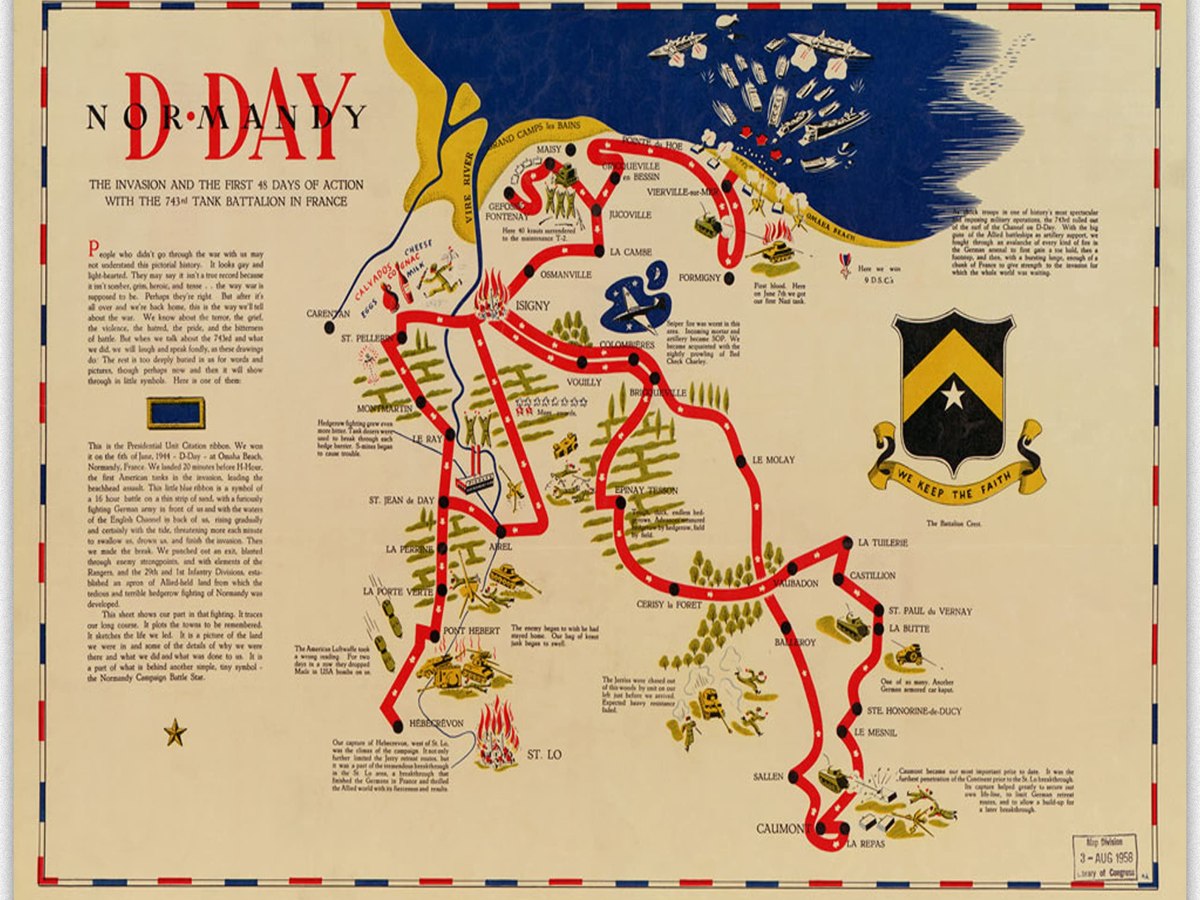
D-Day, A Year Too Late?
In April 1942, General George C. Marshall, the U.S. Army’s Chief of Staff, went to London with a set of plans to bring about the defeat of Germany in northwestern Europe. Operation Bolero…
Keep reading

D-Day: planning and execution
A cross-channel attack to initiate the European Campaign remained the linchpin of American strategy for taking the war to Germany and defeating its armies in the field. This approach remained the centerpiece of…
Keep reading
![The Japanese-Russian War of 1904-1905 [Russian encyclopedia entry – ed. 1908]](https://militartis.com/wp-content/uploads/2025/05/cartes-expansion-japonaise-port-arthur.jpg?w=800&h=600&crop=1)
The Japanese-Russian War of 1904-1905 [Russian encyclopedia entry – ed. 1908]
In March 1902, Russia , in order to protect the East China Railway, occupied Manchuria with its troops, pledging to evacuate it within three deadlines; the last was October 8, 1903. This obligation was not…
Keep reading
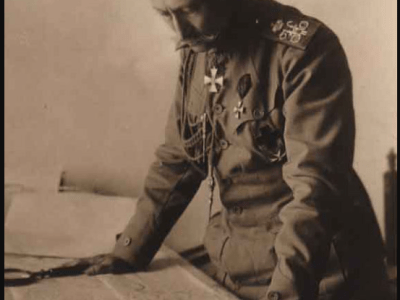
The military concept of the modern breakthrough, created by gen. Aleksei A. Brusilov
The Modern Breakthrough In the modern era of the novel Coronavirus plague, a revolutionary concept of the Breakthrough on the battlefield should be contemplated when considering engaging in the friction of war…
Keep reading
Si è verificato un problema. Aggiorna la pagina e/o riprova in seguito.
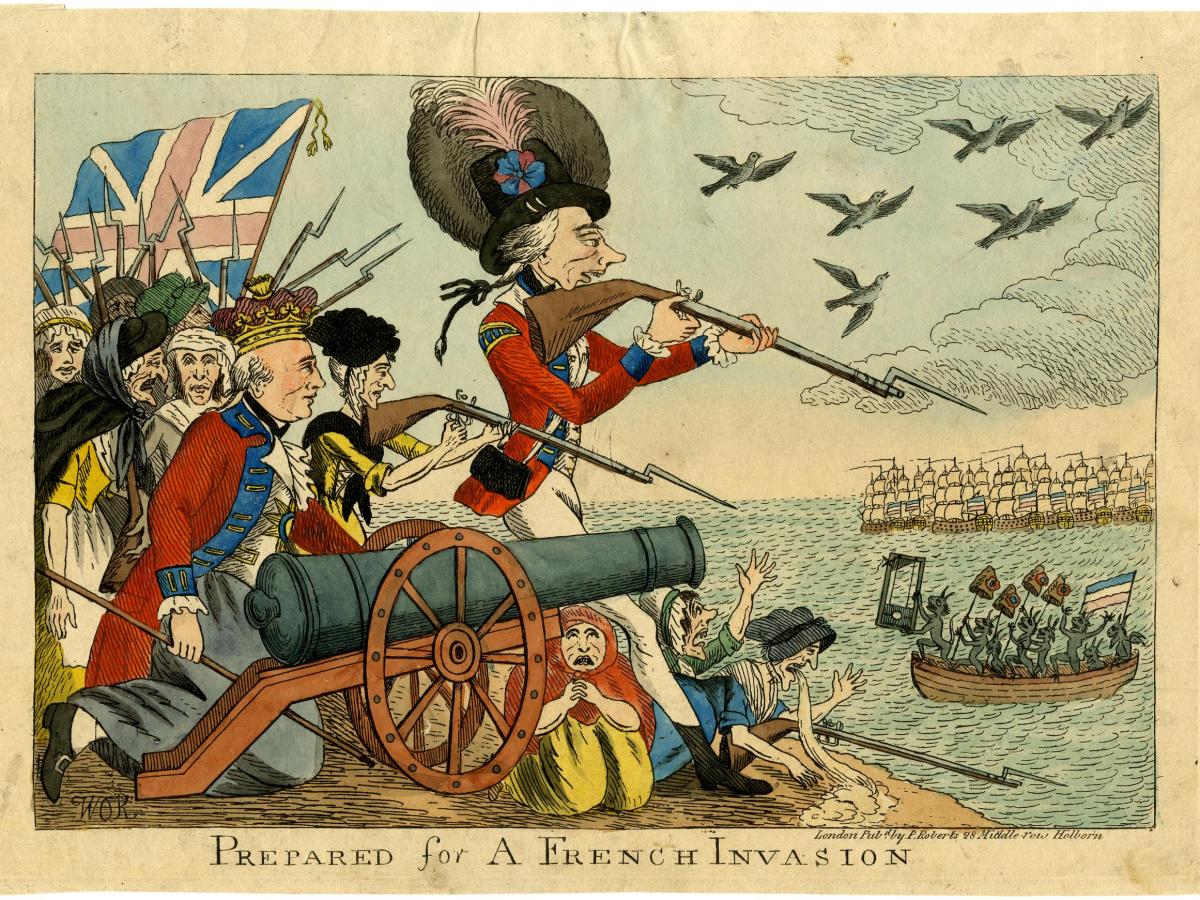
The “Great Fear” in the United Kingdom, 1802-1805
Abstract: The years 1802-1805 in Britain were characterised at the time as “the Great Fear”, because of the invasion threat posed by the French troops and military machinery massed opposite the south coast of England (only 27 miles and a single tide away). This article reviews the attempts by the British, both governmentally and also…
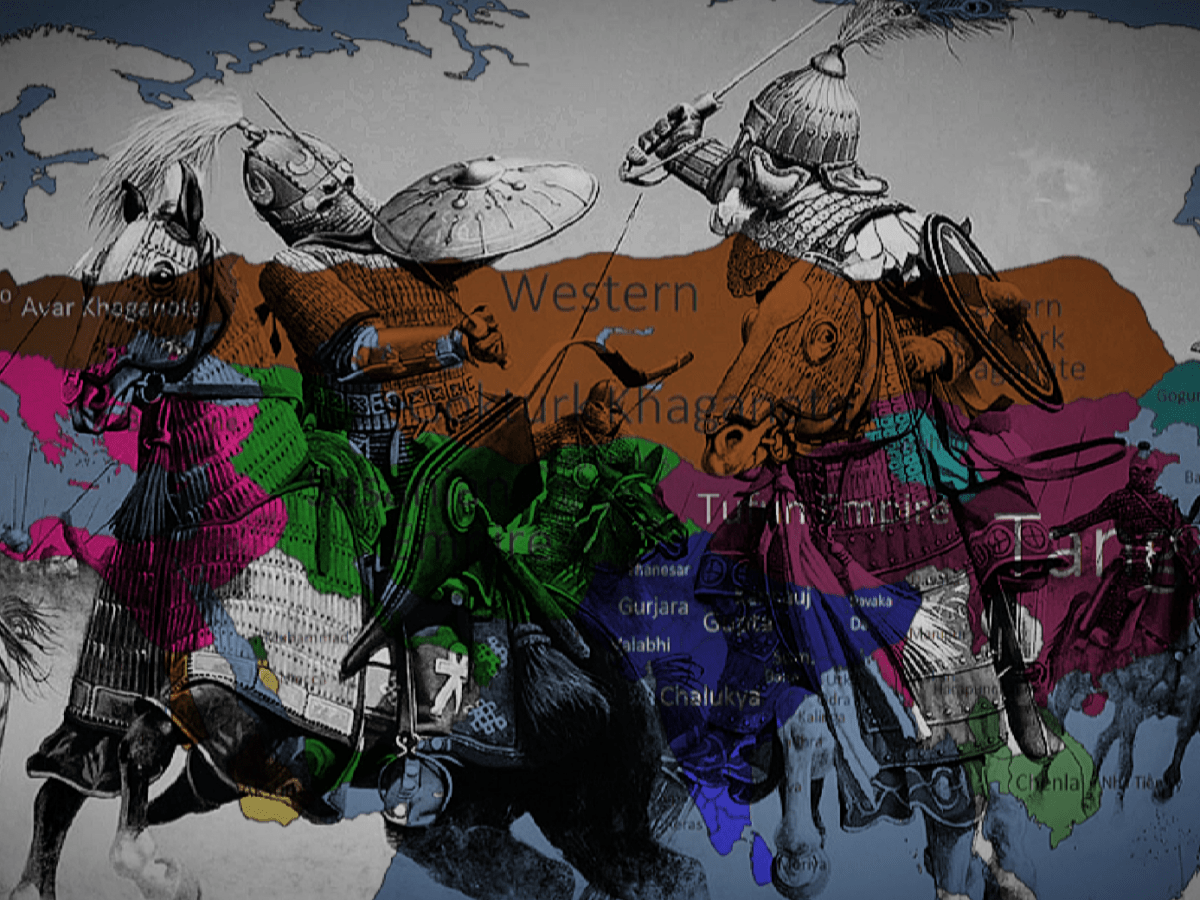
GUERRA MONDIALE DEL VII SECOLO
Abstract: Lo storico ed etnologo russo Lev Nikolaevič Gumilëv definì la guerra romano-sasanide del 602-628 «la guerra mondiale del VII secolo», perché coinvolse direttamente o indirettamente gran parte del mondo eurasiatico con l’Impero romano d’Oriente e i suoi alleati (Khaganato dei Turchi occidentali, Cazari, armeni) che si contrapposero all’Impero sasanide e ai suoi alleati (Avari,…
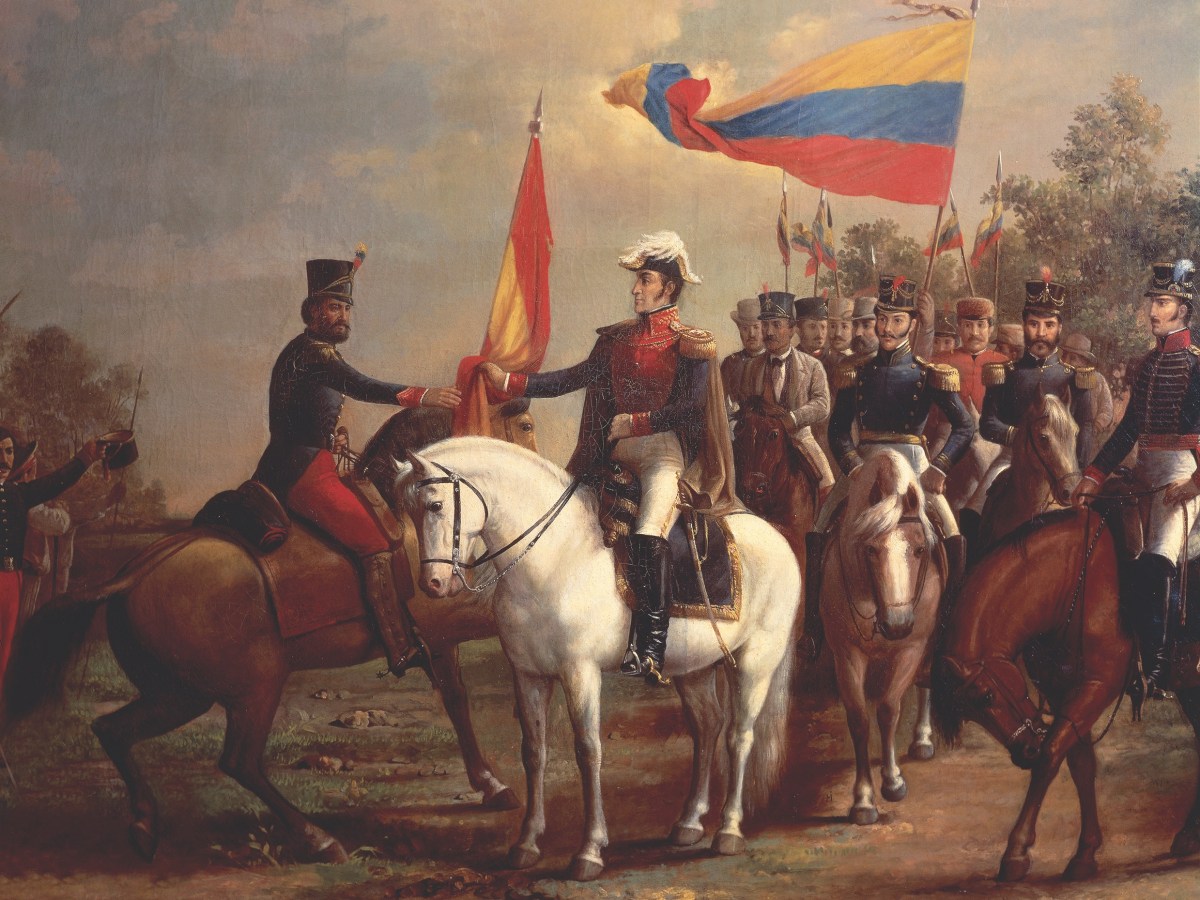
División de Vanguardia del Ejército Patriota: organización logística para la campaña de 1818-1819
Abstract: Con el fin de contribuir en las diferentes posturas frente a los hechos históricos del nacimiento de la República de Colombia, este capítulo analiza la organización logística, con una perspectiva técnico-táctica, de la Campaña del Ejército Patriota en el período 1818-1819. Se reconstruye la estructura de aquella organización que logró el mantenimiento de las…
 militartis.com