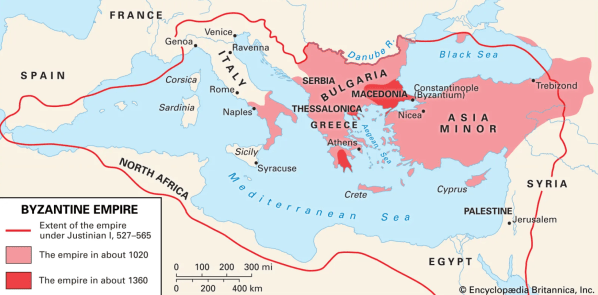
★★ The Roman Empire was the longest-lasting empire in world history, enduring more than fourteen centuries. Throughout its republican and imperial history, Rome relied heavily on military power, using conquest to expand the empire. As Luttwak observes in Grand Strategy of the Roman Empire (epilogue), the legion was the basic tactical unit of the Roman army that... Continua a leggere →
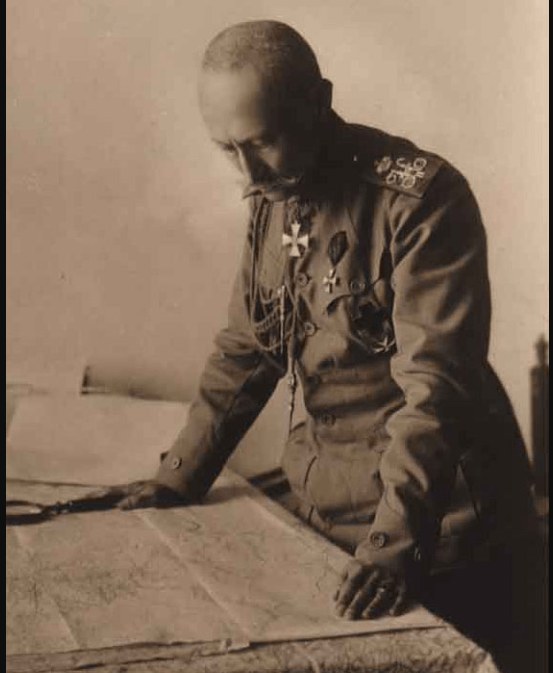
The military concept of the modern breakthrough, created by gen. Aleksei A. Brusilov
★★★ The Modern Breakthrough In the modern era of the novel Coronavirus plague, a revolutionary concept of the Breakthrough on the battlefield should be contemplated when considering engaging in the friction of war on all fronts. This modernized form of the Breakthrough should be understood and considered within the realm of the objective perspective... Continua a leggere →
On Attrition – An Ontology for Warfare
★★★ Let’s hit a reset, please. Attrition is perhaps one of the most misunderstood and abused ideas in contemporary military thinking. Policymakers, military practitioners, and theorists often use and abuse a slew of pejoratives to undercut attrition.1 This phenomenon is a byproduct of 1980s and 1990s writing, which advocated non attritionalist forms of warfare that appeared... Continua a leggere →
A Solution Looking for a Problem: Illuminating Misconceptions in Maneuver-Warfare Doctrine
★★★ Warfare exists in the realm of both art and science – as a phenomenon in which sensing and intuition (in other words, art) play a complementary role to education and training (science). Just as a painter must have more than one color on his pallet, the practitioner of warfare must understand more than one... Continua a leggere →
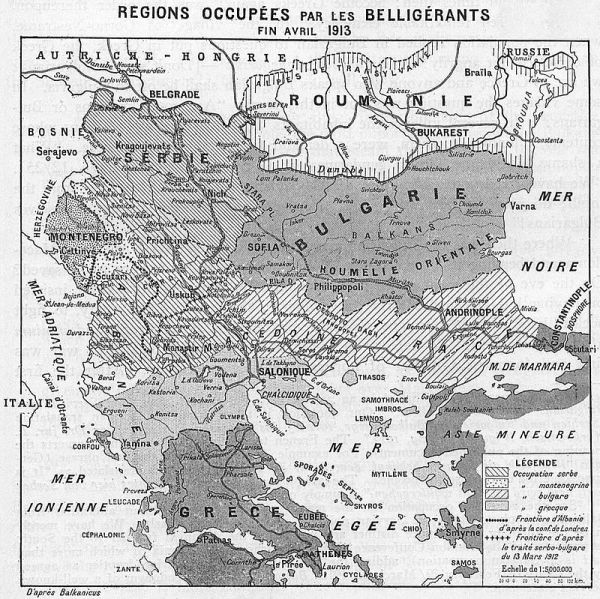
Le renseignement militaire tsariste dans les Balkans : Son évaluation des guerres de 1912-1913
★★★ Alors que la guerre russo-turque (avril 1877-mars 1878) battait son plein depuis trois mois déjà, un quotidien de Londres s'intéressait aux « attachés militaires en Europe », estimant que leur « position (…) était très délicate en ces temps de guerre » . Le propos du journaliste ne portait pas sur leur rôle dans le conflit en cours, mais sur leurs efforts... Continua a leggere →
Histoire des institutions militaires françaises du Moyen Âge au XIXe siècle: d’une armée féodale à une armée moderne
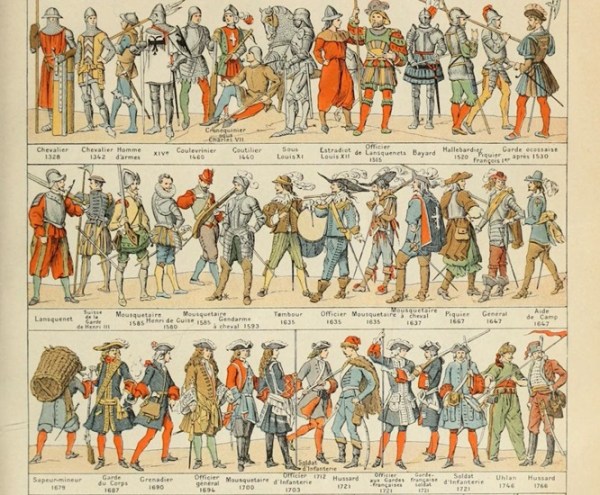
★★ I - Les caractéristiques fondamentales de l’armée féodale De l’idée d’une armée à une armée féodale Les premiers concepts fondamentaux sont hérités de la tradition romaine. En Gaule, les troupes sont commandées par un maître de la cavalerie à Trèves sous les ordres d’un maître de la milice et de l’empereur. Le service militaire... Continua a leggere →
The evolutions of the world military forces since the end of Cold War
★★★ The dominant liberal theory has presented military expenditure as unproductive and wars and economic conflicts are prejudicial to the good functioning of economic mechanisms. Today the success of the American economy, which was regarded as declining at the end of the years 1980, raises the issue of the correlation between war, military expenditures, and... Continua a leggere →
What went wrong in afghanistan: a primer
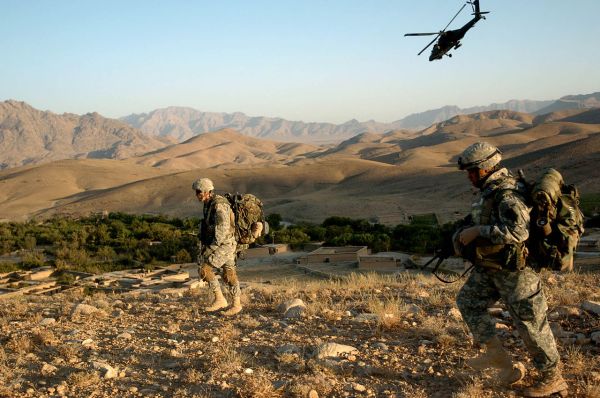
★★★ In 2001, the United States invaded and occupied Afghanistan, and eventually spent over a trillion dollars, as it and its allies killed some 170,000 Afghan citizens. Twenty years later, the United States withdrew from Afghanistan in defeat. Why was America there? Thucydides reminded us in The Peloponnesian War some 2,500 years ago that, war’s “three…strongest motives [are] fear, honor, and... Continua a leggere →
Total Rhetoric, Limited War: Germany’s U-Boat Campaign 1917-1918
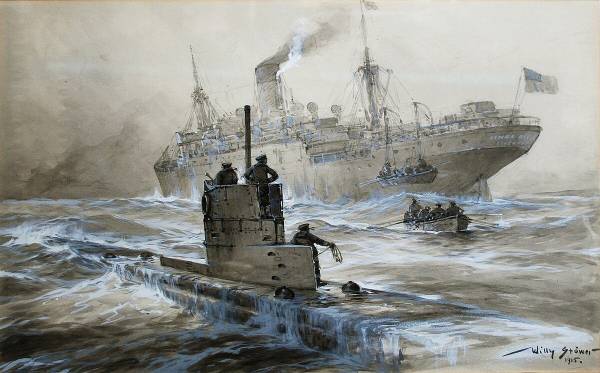
★★★ "Our armies might advance a mile a day and slay the Hun in thousands, but the real crux lies in whether we blockade the enemy to his knees, or whether he does the same to us." Admiral David Beatty - January 27, 1917 Imagine this country's sufferings after four years of blockade. The stock of... Continua a leggere →
Patterns of War: A Re-interpretation of the Chronology of the German-Soviet War 1941–1945
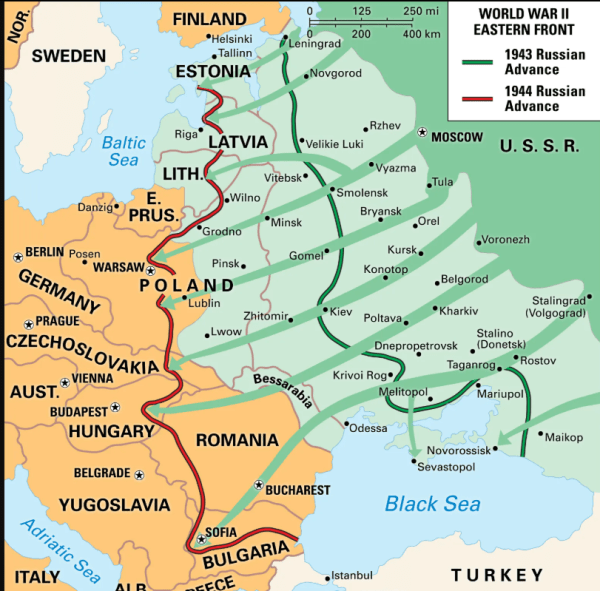
★★★★ IntroductionThe Soviet-German War 1941–1945 was unprecedented in the scope of its size and scale, covering a vast geographic area and utilizing millions of people, horses, and machines, as well as a huge scale of destruction of population and property.[1] This has posed a challenge to historians to both understand the war and then portray... Continua a leggere →