English Civil War Battle Plans
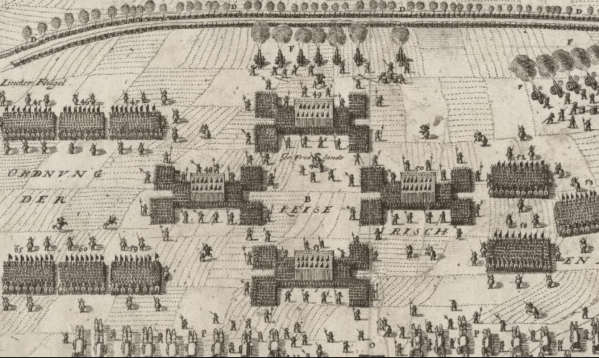
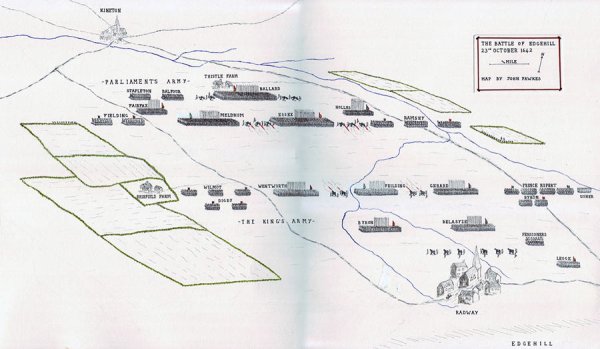
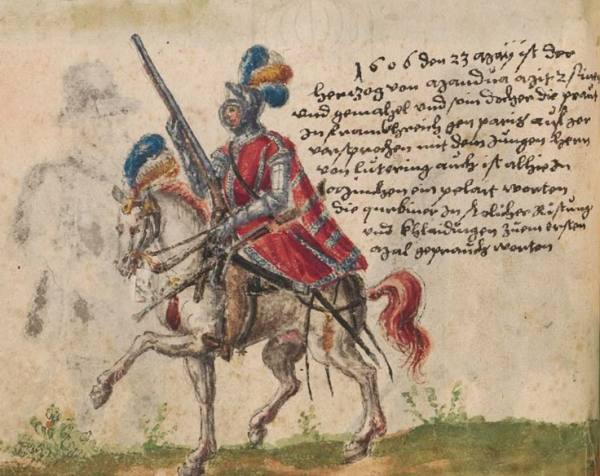
★★ Before marching out on campaign, an army commander in the early Seventeenth century would decide upon a plan for the deployment of his army for battle. He might discuss the alternatives beforehand with his senior subordinates or he may impose his own preference. Once the decision had been made, a plan would be drawn... Continua a leggere →

English Civil War Formations and Tactics

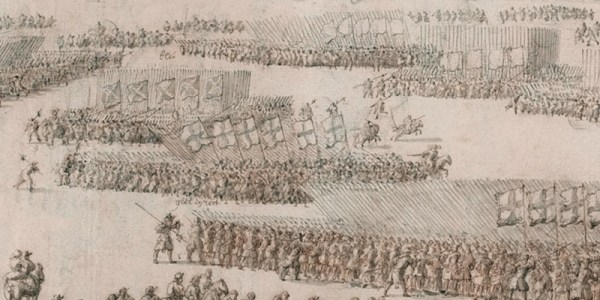
★★ Introduction As what one might term a veteran re-enactor with over twenty-two years in the hobby, I have become very familiar with the debate on the level of accuracy/inaccuracy in the various elements portrayed by participants on the field. I do not intend here to enter into this debate, rather, the object of this... Continua a leggere →

Grand Tactics of the 17th Century

★★ Theodore Dodge wrote in his tome, Gustavus Adolphus, that the Thirty Years War did not have grand tactics. He was not alone in that belief. Dodge served in the American Civil War and studied Napoleon's campaigns, as well as those of the 17th Century. In order to grasp this statement, we must define Grand Tactics.... Continua a leggere →

August Neidhardt von Gneisenau

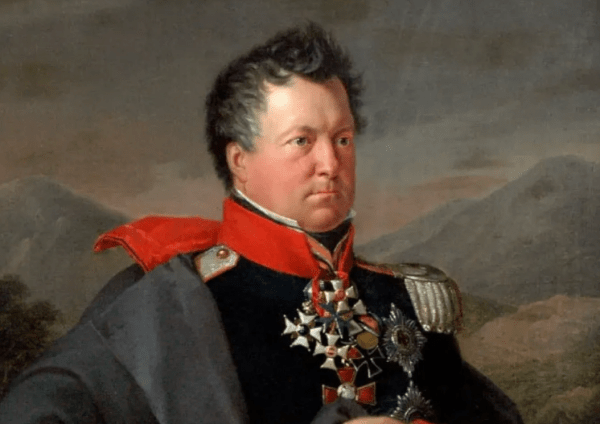
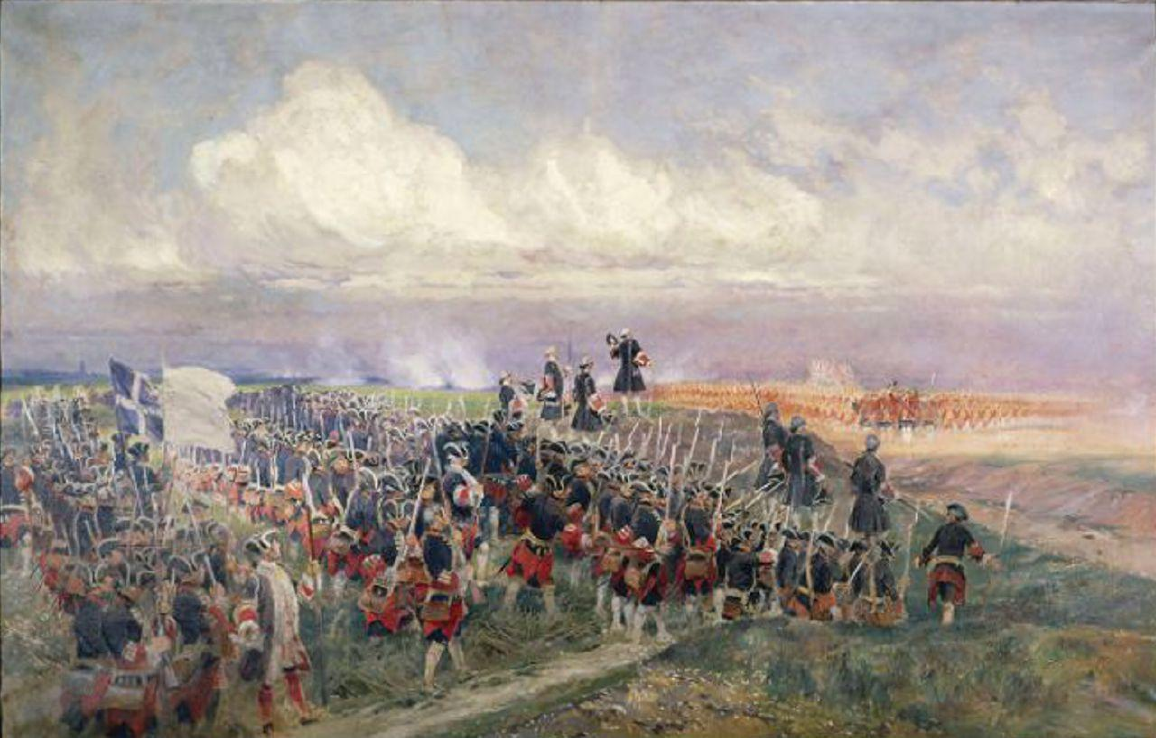
★★★★ Though many of the figures central to the reform of the Prussian army and state that took place between the battle of Jena-Auerstadt (1806) and the final defeat of Napoleon (1815) were of humble birth, none came from circumstances more desperate than those of August Neidhardt von Gneisenau. Gneisenau was born on the 27th... Continua a leggere →

Le renseignement militaire tsariste dans les Balkans : Son évaluation des guerres de 1912-1913

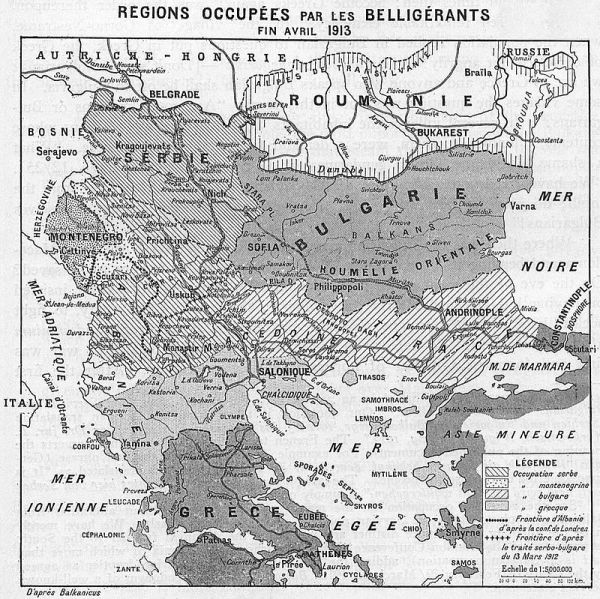
★★★ Alors que la guerre russo-turque (avril 1877-mars 1878) battait son plein depuis trois mois déjà, un quotidien de Londres s'intéressait aux « attachés militaires en Europe », estimant que leur « position (…) était très délicate en ces temps de guerre » . Le propos du journaliste ne portait pas sur leur rôle dans le conflit en cours, mais sur leurs efforts... Continua a leggere →

Histoire des institutions militaires françaises du Moyen Âge au XIXe siècle: d’une armée féodale à une armée moderne

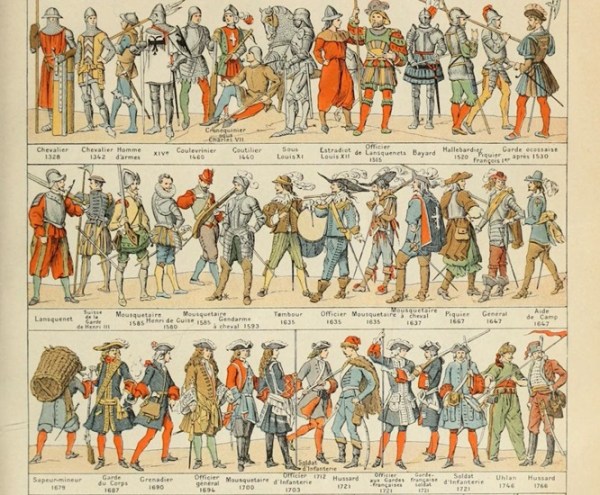
★★ I - Les caractéristiques fondamentales de l’armée féodale De l’idée d’une armée à une armée féodale Les premiers concepts fondamentaux sont hérités de la tradition romaine. En Gaule, les troupes sont commandées par un maître de la cavalerie à Trèves sous les ordres d’un maître de la milice et de l’empereur. Le service militaire... Continua a leggere →

Blog su WordPress.com.

Su ↑