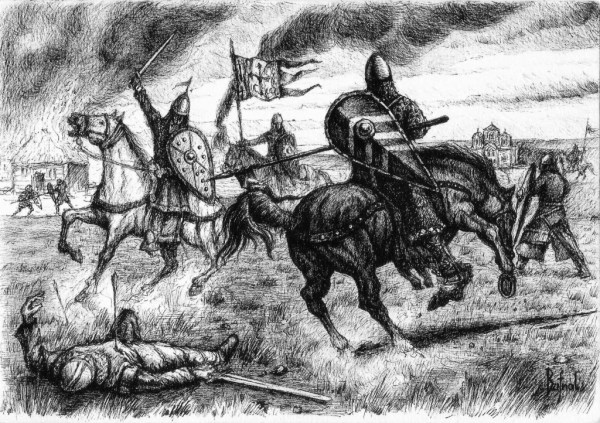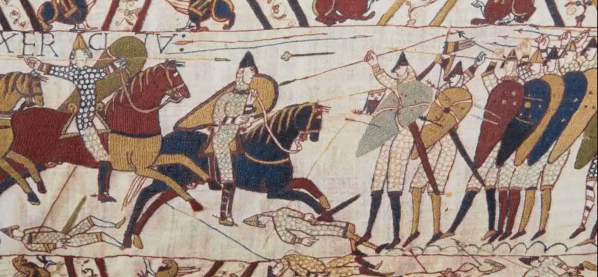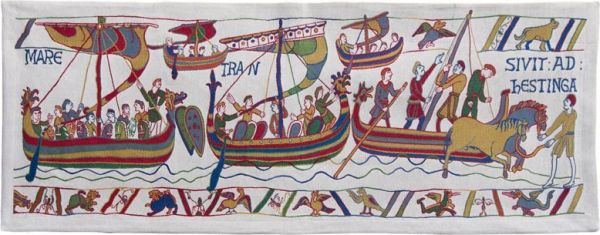
★★★ 13 minuti Una storia militare tra XI e XII secolo I Normanni (dal francese antico “uomini del nord”) erano i sovrani di quella che inizialmente era conosciuta come pagus Rotomagensis, la contea di Rouen nel Nord della Francia. Concessa ai predoni scandinavi guidati da Rollone (Hrólfr) di Norvegia nel 911 circa dal re carolingio... Continua a leggere →
Marcantonio Bragadin e l’Assedio di Famagosta nel 1571 (II)
★★★ Nel frattempo, i turchi avevano issato l’ennesima bandiera per richiedere di trattare e, alla risposta positiva di Salamina, Mustafà spedì un suo messaggero cui aveva affidato delle lettere, avvolte in un contenitore chiuso, e con il sigillo d’oro, dirette al Bragadin, con le quali chiedeva la resa della città alle condizioni che lo stesso... Continua a leggere →
Marcantonio Bragadin e l’Assedio di Famagosta nel 1571 (I)
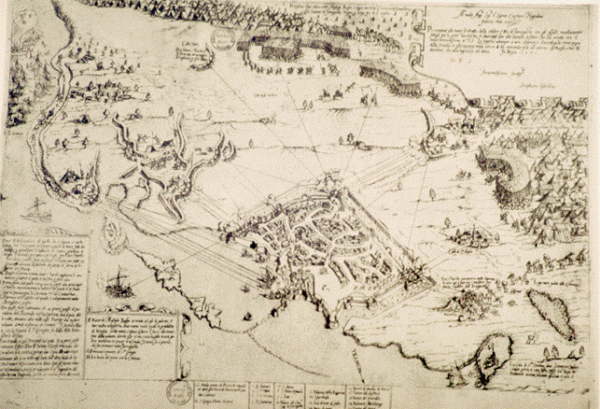
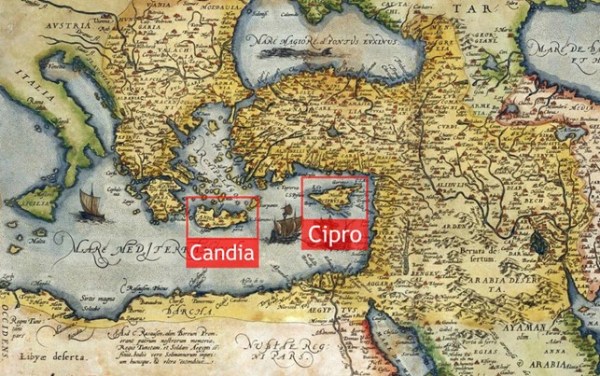
★★★ La storia di Marcantonio Bragadin, governatore veneziano di Cipro, del comandante Astorre Baglioni, e della loro difesa della fortezza di Famagosta, rappresenta uno degli eventi più significativi della lotta fra ottomani e veneziani per il controllo del Mediterraneo orientale. Pochi mesi prima della famosa Battaglia di Lepanto (1571), un manipolo di soldati europei difese Famagosta per un anno nel corso di un... Continua a leggere →
America’s Byzantine strategy
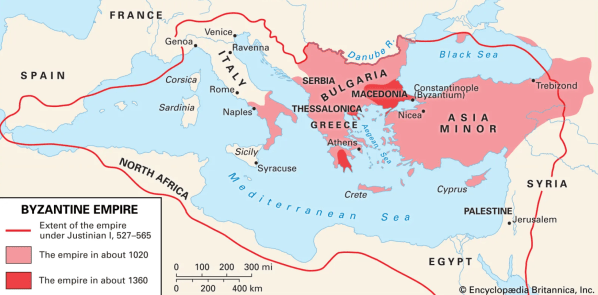
★★ The Roman Empire was the longest-lasting empire in world history, enduring more than fourteen centuries. Throughout its republican and imperial history, Rome relied heavily on military power, using conquest to expand the empire. As Luttwak observes in Grand Strategy of the Roman Empire (epilogue), the legion was the basic tactical unit of the Roman army that... Continua a leggere →
Slavs in wars with Byzantium
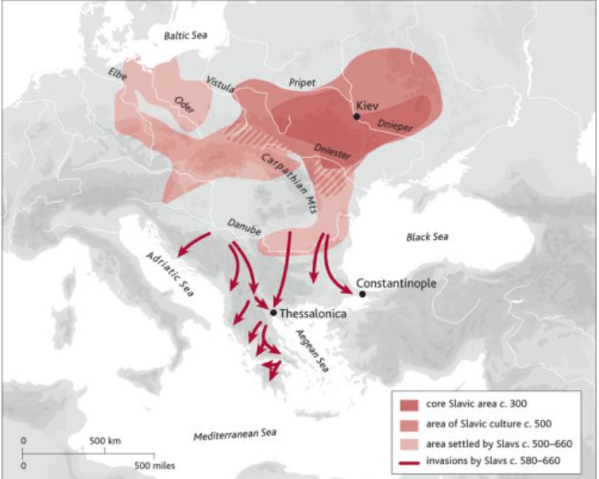
★★ Beginning in the 1st century AD, Slavic tribes participated in the struggle against the Roman Empire. Ancient sources mention East Slavic tribes that fought against the Roman conquerors. More detailed information about the wars of the Slavic tribes dates back to the 6th–8th centuries, when the Slavs fought against the Eastern Roman Empire, in... Continua a leggere →
Exarchate of Ravenna. The armed forces of byzantine Italy
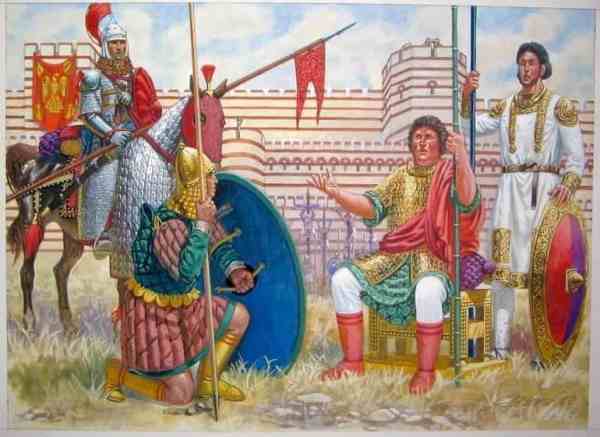
★★ The question of the evolution of the Byzantine army in Italy has two aspects: sociological and organizational. In social terms, this problem is not considered. But since the army is not just a unique social group, but a certain socio-administrative structure with clear tasks and goals, its development in this aspect also requires special... Continua a leggere →
The Muslim Easy Invasion of Iberia
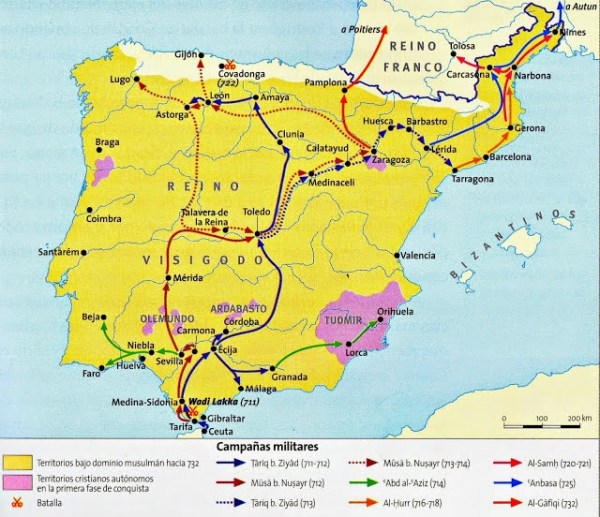
★★ After a short foray in July of 710 AD, Muslim forces from North Africa invaded the Christian Iberian Peninsula (modern day Spain and Portugal) in the spring of 711, and within two years, with the exception of the extreme northwestern portion of the peninsula, had successfully overpowered and conquered the Visigothic Christian realms of... Continua a leggere →
The Geopolitics of 1066 (II)
★★★ 20 minutes Franco-cultural Northwest Europe.The foundations of Normandy take us back to the pre-royal phase of Viking raids. One of these Vikings, a Scandinavian of uncertain origin named Rollo, had established himself and his followers in the lower Seine valley by the early tenth century, and Charles the Simple, king of West Francia, granted... Continua a leggere →
The Geopolitics of 1066 (I)
★★★ 18 minutes Modern varieties of geopolitical theory are abundant and often conflicting. Anglo-American and German approaches tend toward a geographically oriented outlook that tends to see politics at work within a geographical setting that is, if not strictly deterministic, at least very influential (the classic theories of Halford Mackinder certainly fit this characterization), whereas... Continua a leggere →