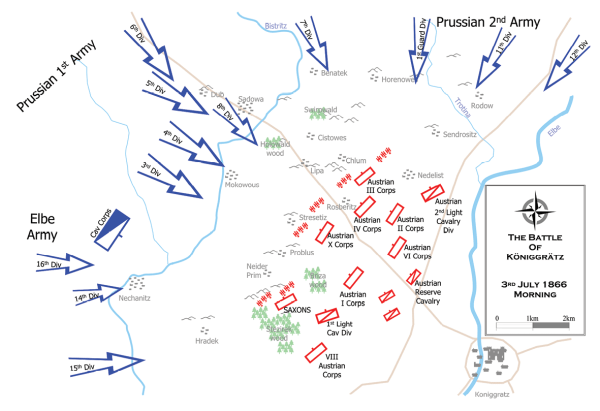
★★★★ L'arte operativa è tra i concetti più degni di nota e controversi del pensiero militare moderno. L'arte operativa è emersa dall'Unione Sovietica durante il periodo tra le due guerre e, alla fine del ventesimo secolo, era una componente integrante della dottrina delle principali potenze militari. Il costrutto teorico dell'arte operativa combina le caratteristiche dei... Continua a leggere →
Military strategy fundamentals
★★★ The phrase ‘military strategy’ in this article’s title might be a tautology for some, as strategy originally concerned the art or skills of the general.1 However, today, strategy is applied across almost all areas of society with the field of business strategy arguably more vibrant than that of contemporary military strategy. Given such common... Continua a leggere →
Interwar innovation in Three Navies: U.S. Navy, Royal Navy, Imperial Japanese Navy
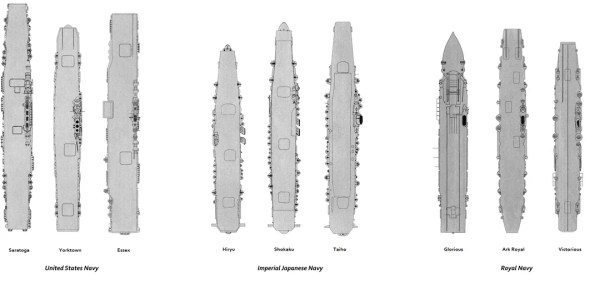
★★★★★ In 1919, three major naval powers—Great Britain, Japan, and the United States—faced two major challenges: integrating new technology into their doctrines and organizations, and coping with reduced naval expenditures and arms treaties that carne as a postwar reaction to armaments spending. In effect, money available for naval development and construction was declining at precisely... Continua a leggere →
Il Trattato di Washington e la Terza Repubblica Sviluppo navale francese e rivalità con l’Italia, 1922-1940
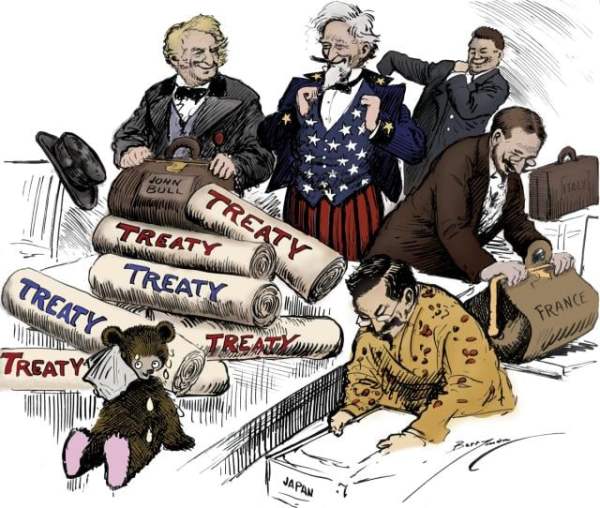
★★★★★ At he 1921-1922 Washington Conference on naval arms limitation had a profound effect on the French Navy. For the Marine Nationale, as in the other signatory fleets—those of Great Britain, the United States, Japan, and Italy—the conference and resultant treaty stymied capital ship construction. However, in its attempt to forestall a battleship arms race... Continua a leggere →
The introduction of new German defensive tactics in 1916-1917 (II)
★★★★★ The Test of Battle and Further Development of Doctrine. The Anglo-French Entente spring offensive of 1917 began with a serious German defeat at Arras, but that was its high point. Subsequent British and French tactical gains and captures of men and matériel bore no relationship to the plans for a breakthrough, the hopes of... Continua a leggere →
The introduction of new German defensive tactics in 1916-1917 (I)
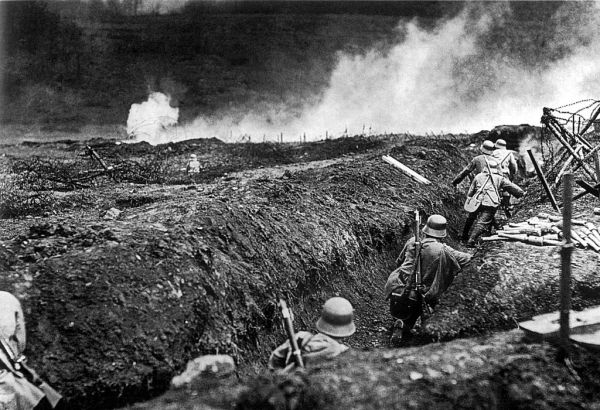
★★★★★ The crisis of the battle of the Somme forced the German army to introduce new tactics.[1] By the start of the battle, German defensive methods had moved away from the pre-war system of establishing and holding one strong line. Doctrine issued in October 1915 called for the construction of at least two positions, far... Continua a leggere →
L’evoluzione della NATO durante la Guerra Fredda
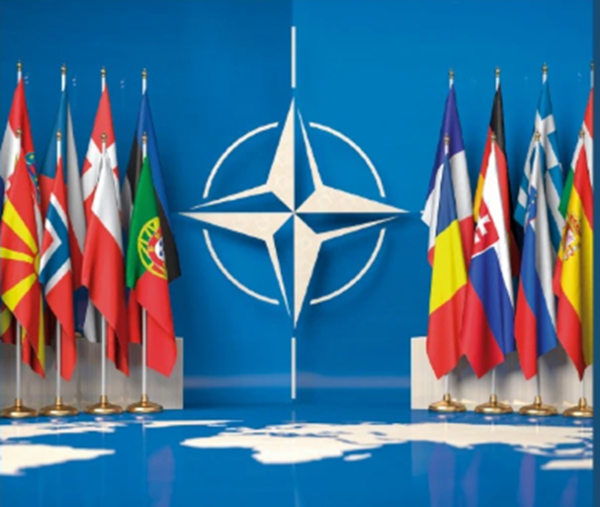
★★★★ Verso la fine degli anni '40, la preoccupazione acuta per le politiche dell'Unione Sovietica era assolutamente evidente. Il miglior resoconto scritto da un protagonista dei negoziati che portarono al Patto Atlantico porta il significativo titolo Tempo di paura e speranza (Reid 1977 ). Parlando il 29 settembre 1948 all'Assemblea generale dell'Organizzazione delle Nazioni Unite... Continua a leggere →
Le radici storiche dell’Alleanza Atlantica tra valori e interessi
★★★★ Si dà per scontato che l'Alleanza Atlantica sia un prodotto della Guerra Fredda. Tuttavia, le sue fondamenta storiche e culturali sono molto più antiche e questo capitolo le delineerà. Non c'è dubbio che la nascita dell'Alleanza Atlantica debba molto alla speciale relazione anglo-americana [1] e, più in generale, fu il prodotto di un gruppo interno anglo-americano-canadese con... Continua a leggere →
Battaglioni Jäger – La tradizione della fanteria leggera
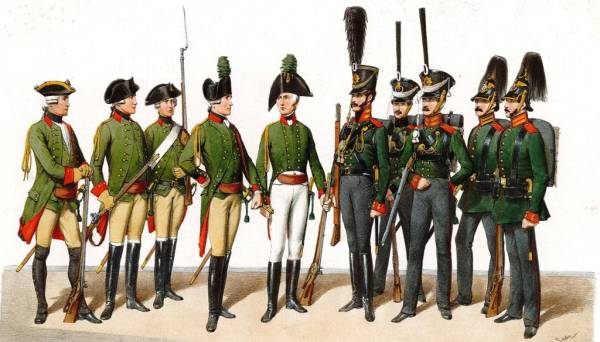
★★★ La fanteria tedesca del 1914 era, per la maggior parte, fanteria di linea. Vale a dire, era una discendente diretta delle truppe a piedi del XVIII secolo che si muovevano, sparavano e combattevano in formazioni serrate. Le nuove armi da fuoco introdotte nella seconda metà del XIX secolo avevano apportato alcuni cambiamenti nel modo... Continua a leggere →
Materiale sullo sviluppo dell’arte militare in condizioni di guerra nucleare 1964 (III)
★★★★ Difesa C'è una discussione in corso tra i leader militari di molti paesi se la difesa sia appropriata nelle condizioni moderne. Alcuni dei nostri compagni, cercando di non ripetere la situazione del 1941, quando le nostre truppe non erano preparate non solo per un attacco ma nemmeno per la difesa, e furono costrette a... Continua a leggere →