★★★ The dominant liberal theory has presented military expenditure as unproductive and wars and economic conflicts are prejudicial to the good functioning of economic mechanisms. Today the success of the American economy, which was regarded as declining at the end of the years 1980, raises the issue of the correlation between war, military expenditures, and... Continua a leggere →
Strategy, Language, and the Culture of Defeat: Changing Interpretations of Japan’s Pacific War Naval Demise
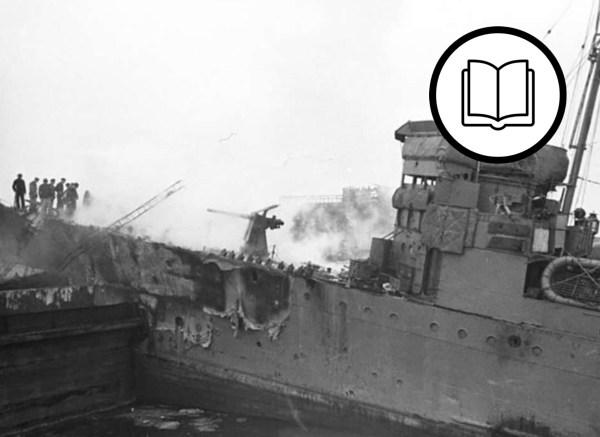
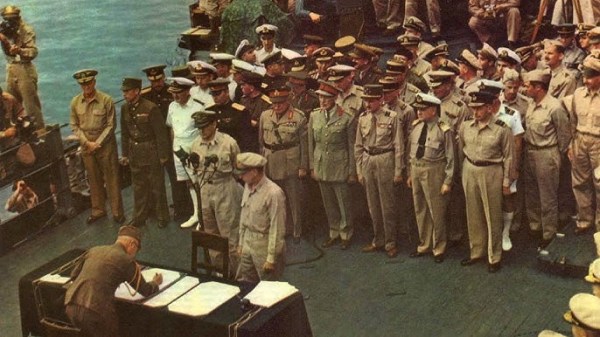
★★ Introduction Military historians say that military history is written from the perspective of the victor. Japan’s naval defeat in the Pacific War, however, provides a highly arguable case. Much of the translated postwar literature on the Pacific War has been written from an Allied perspective which overemphasizes Japanese weaknesses, deemphasizes the strengths of the... Continua a leggere →
Military Law, the Canadian Militia, and The North-West Rebellion of 1885
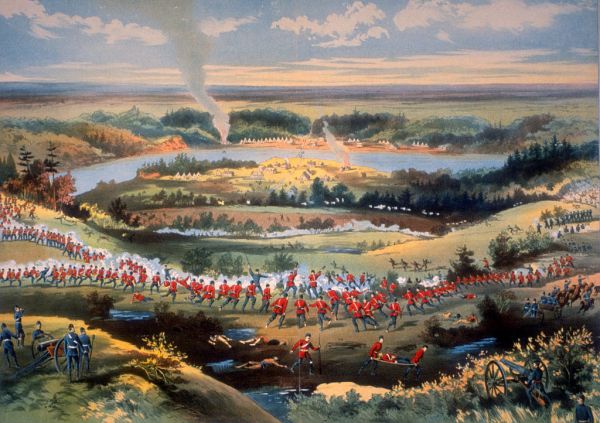
★★★ Introduction On 18 March 1885, Louis Riel and a large group of dissatisfied métis took up arms against the Dominion of Canada and declared their own provisional government at Batoche, a small community south of Prince Albert on the South Saskatchewan River. Fearful that the insurrection might encourage similar uprisings among natives and métis in other parts of... Continua a leggere →
What went wrong in afghanistan: a primer
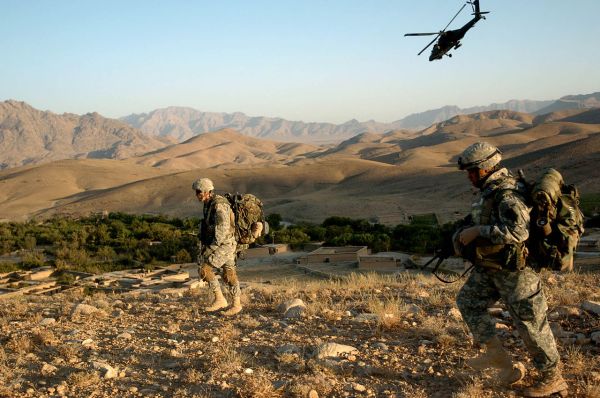
★★★ In 2001, the United States invaded and occupied Afghanistan, and eventually spent over a trillion dollars, as it and its allies killed some 170,000 Afghan citizens. Twenty years later, the United States withdrew from Afghanistan in defeat. Why was America there? Thucydides reminded us in The Peloponnesian War some 2,500 years ago that, war’s “three…strongest motives [are] fear, honor, and... Continua a leggere →
Patterns of War: A Re-interpretation of the Chronology of the German-Soviet War 1941–1945
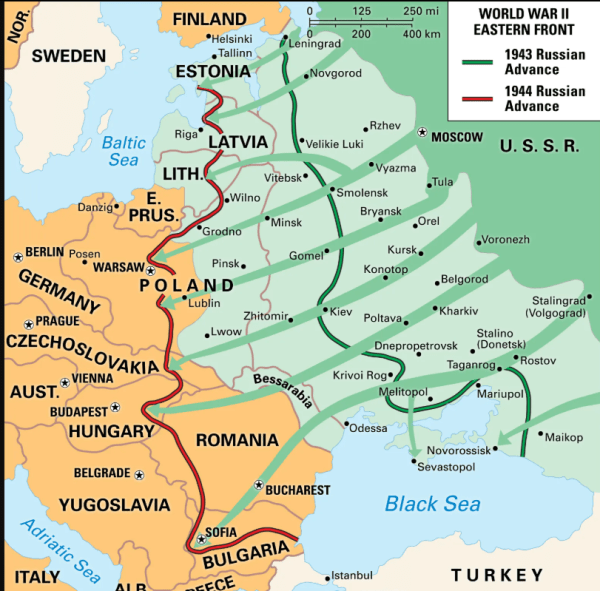
★★★★ IntroductionThe Soviet-German War 1941–1945 was unprecedented in the scope of its size and scale, covering a vast geographic area and utilizing millions of people, horses, and machines, as well as a huge scale of destruction of population and property.[1] This has posed a challenge to historians to both understand the war and then portray... Continua a leggere →
Il fenomeno delle “perdite” nella storia militare
★★ L'origine delle perdite Il mondo militare ha un linguaggio che lo caratterizza. A seconda dell'epoca, della cultura e delle sottigliezze linguistiche, termini e persino concetti precisi finiscono per emergere e radicarsi nella letteratura specifica di questo universo. A volte alcuni di questi concetti e termini, che preferisco semplicemente chiamare "espressioni", vengono utilizzati indiscriminatamente, perdendo... Continua a leggere →
Fundamentals of carrier tactics
★★ TORPEDO BOMBERS TACTICS If we were forced to fight a World War II carrier battle again, what key concepts, tactics, techniques, procedures, and technologies would give us a marked advantage over the adversary? As already stated in the introduction, seeking an answer to such questions goes beyond historical curiosity. Because all forms of warfare... Continua a leggere →
Land Warfare in the 21 st Century (II) – [ed.1993]
★★★★ TECHNOLOGICAL CHANGES IN THE CONDUCT OF LAND WARFARE Technological innovations, many of which were dramatically demonstrated in the Gulf War, are giving rise to what is being called a "military-technical revolution." This "revolution" will have a dramatic effect on the Army and land warfare through five dominant trends: lethality and dispersion; volume and precision... Continua a leggere →
Land Warfare in the 21 st Century (I) – [ed.1993]
★★★★ This paper was originally presented at the U.S. Army War College Fourth Annual Strategy Conference held February 24-25, 1993, with the assistance of the Office of Net Assessment. The Strategic Studies Institute is pleased to publish the paper as part of its Conference Series. Preface Land warfare in the 21st century will be shaped... Continua a leggere →
The Fortress of Broken Dreams: Strategic Lessons of Dien Bien Phu
★★★ 17 minutes Introduction The word “catastrophe” has an interesting history. When it was first introduced into the English language, it carried the meaning of sudden dramatic change; something like a plot twist. Over the centuries, it developed a darker significance as “a sudden disaster, widespread and very fatal.”[1] For six months in 1953-54, the... Continua a leggere →