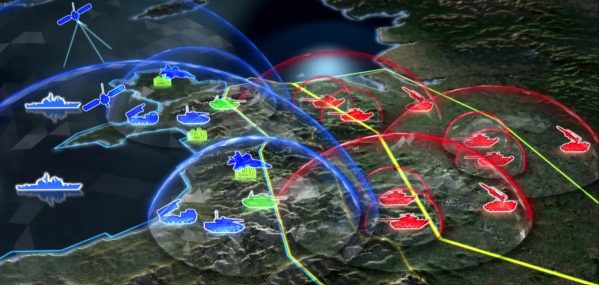
★★ The final withdrawal of troops from Iraq in December 2011 left most U.S. military leadership with the desire to shift their focus from counterinsurgency—which had achieved a position of intellectual dominance in the U.S. military during the war on terror in the late 2000s— back to conventional warfighting. The Service chiefs, who were responsible... Continua a leggere →
Fundamentals of Guerrilla Warfare: Theory and Practice (II)
★★ Guerrilla units operating in cities must solve strictly defined tasks, limited in scale, being, in fact, reconnaissance and sabotage groups. This is due to the fact that, according to their conditions (high population density, dense transport network, active police and counterintelligence activities, etc.), cities, as well as suburban areas, are the most unfavorable terrain... Continua a leggere →
Fundamentals of Guerrilla Warfare: Theory and Practice (I)
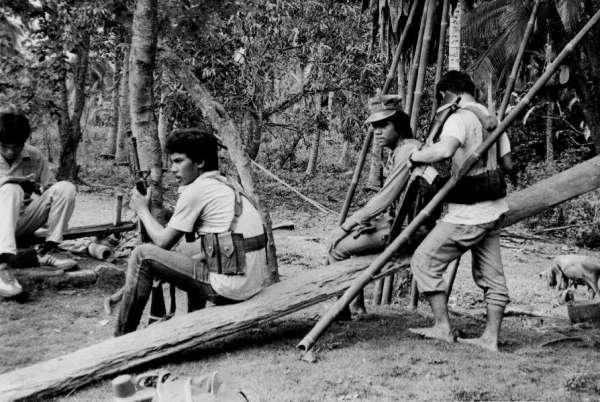
★★ DOZENS of more or less large-scale local conflicts that took place during the 20th century, as well as the experience of using guerrilla methods of armed struggle during World War II, allow us to make some generalizations and conclusions. Despite all their enormous diversity in political, military and geographical conditions, it is possible to... Continua a leggere →
Guerrilla Warfare [1954]
★★ No longer a limited military tactic, guerrilla warfare has political and economic consequences that can be more dangerous than the armed force employed. Guerrilla warfare is an open sore that annoys today, is a nuisance tomorrow, weakens in a month, and may cause death if not treated properly. Guerrilla warfare may be waged in... Continua a leggere →
Intelligence Cooperation between the Kuomintang Agents and British Special Operations Executive in Singapore-Malaya, 1942–1945
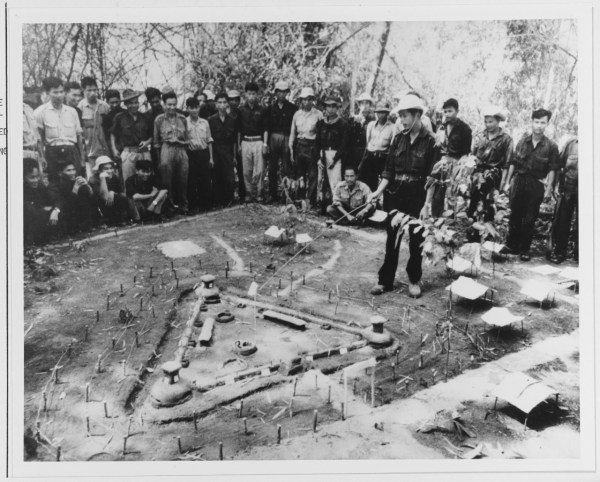
★★★ The Special Operations Executive (SOE) in Singapore-Malaya during the Pacific War has consistently been a focal point of scholarly attention. In the existing academic and literary spheres, there is a plethora of research and retrospective works on SOE, which can be viewed from three perspectives. The first perspective focuses on the cooperation between the... Continua a leggere →
The grand strategy of carl von clausewitz
★★ As the affairs of states continue to evolve into a complex web of interdependence, cooperation, and competition, pressure mounts on states to effectively employ the tools of statecraft to attain their political objects. The contention of this essay is that Carl von Clausewitz implicitly defined grand strategy in his magnum opus, On War, as the... Continua a leggere →
German Mission Orders
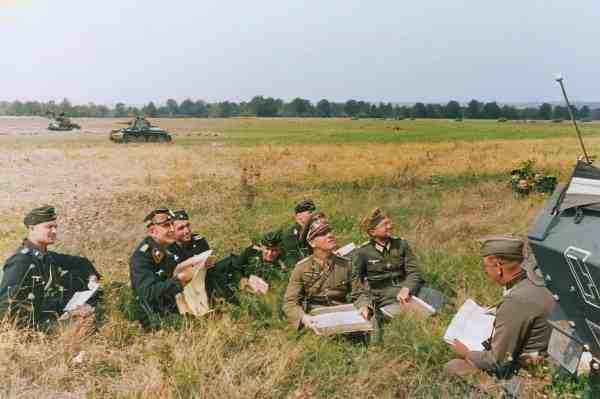
Their Doctrinal and Operational Development from 1866-1940 and Mission Order Combat Illustrations from the 1870-71, 1914-18 and 1939-45 Wars ★★★ “Orders are not written out in the minutest detail, a mission is merely given the commander. How it shall be carried out is his problem. This is done because the commander on the ground is... Continua a leggere →
La difesa di Roma: Il capolavoro di Belisario, 536-538 AD [II]
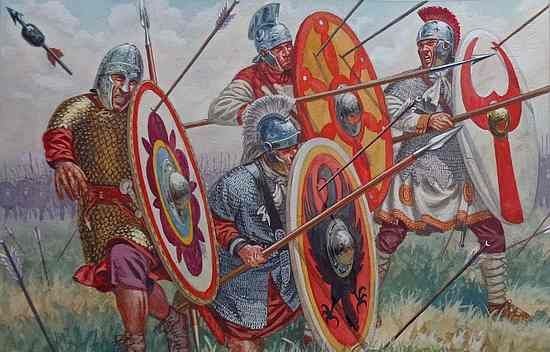
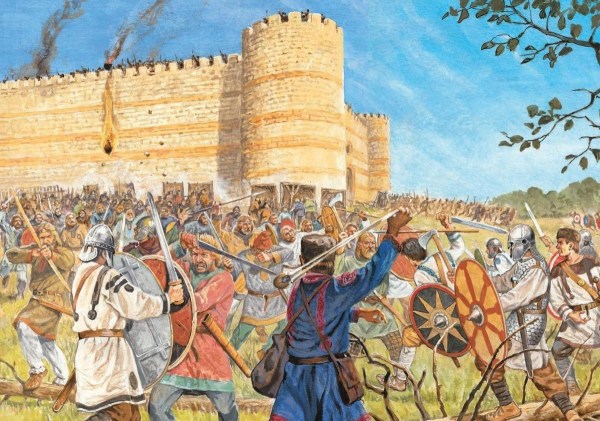
★★★★ Vitige aveva fatto del suo meglio per sfruttare la propria superiorità numerica, impegnando le difese romane in tre punti differenti. Era il modo giusto per mettere alle strette Belisario: purtroppo per lui, però, l’attacco principale alla porta Salaria era fallito troppo presto, permettendo al comandante imperiale di accorrere tempestivamente in aiuto di Bessa, che... Continua a leggere →
La difesa di Roma: Il capolavoro di Belisario, 536-538 AD [I]
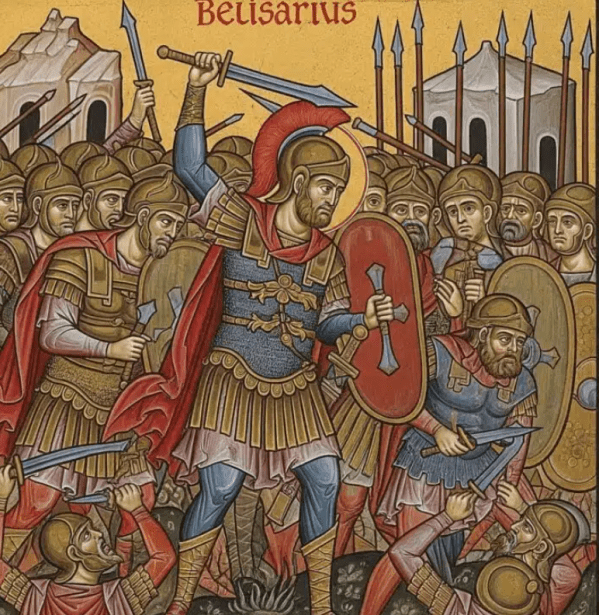
★★★★ Roma liberata dai Goti In un limpido mattino di fine autunno i cittadini di Roma si affollarono sugli spalti delle mura Aureliane, nei pressi della porta Asinaria, per assistere all’ingresso in città delle forze imperiali. Dopo la sorte toccata a Napoli – presa d’assalto circa un mese prima – le autorità civili dell’Urbe, d’accordo... Continua a leggere →
Le navi da trasporto nell’evo antico: imbarcare la cavalleria
★★ Almeno nel concetto, il trasporto degli animali via mare è antico quanto la navigazione marittima a scopi commerciali praticata nel periodo della fine dell'età del Bronzo. Notizie scritte di trasporti di cavalli attraverso il mare si hanno infatti a partire dalla seconda metà del primo millennio a.C.. Le antiche talassocrazie avevano capito che il... Continua a leggere →