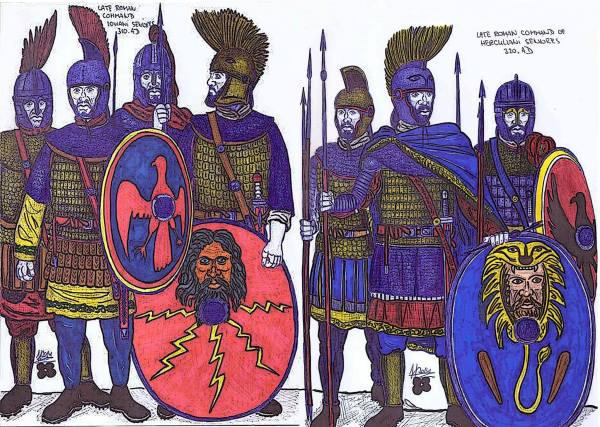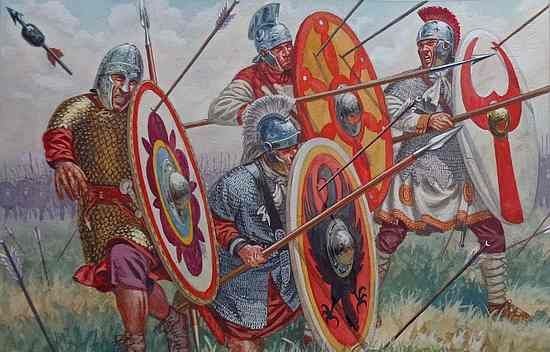
★★★ Organizzazione, struttura, tattica ed equipaggiamento Quello che spesso definiamo come riforma dell'esercito romano tardo-antico, indicativamente nel periodo che va dal regno di Settimio Severo sino alla 'caduta' della pars Occidentis nel 476 ad opera di Odoacre, è da ascriversi ai profondi mutamenti avvenuti a seguito delle guerre Marcomanniche di Marco Aurelio sul finire del... Continua a leggere →
La Prima guerra mondiale (1914-1918) II – Fronte Orientale e i teatri esterni
★★ Introduzione Proseguiamo il racconto delle principali fasi militari della Prima Guerra Mondiale esplorando le battaglie che si svolsero nell'Europa dell'Est, così come nei Balcani, nel Medio Oriente, per non parlare delle operazioni condotte in Africa e nel Pacifico. Senza esagerare troppo (e se lo facessimo, faremmo ammenda), ci sembra che le storiografie anglofone e... Continua a leggere →
La Prima guerra mondiale (1914-1918) I – Fronte Occidentale
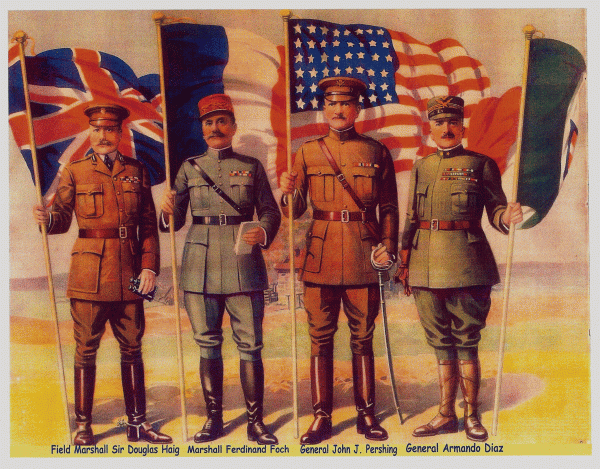
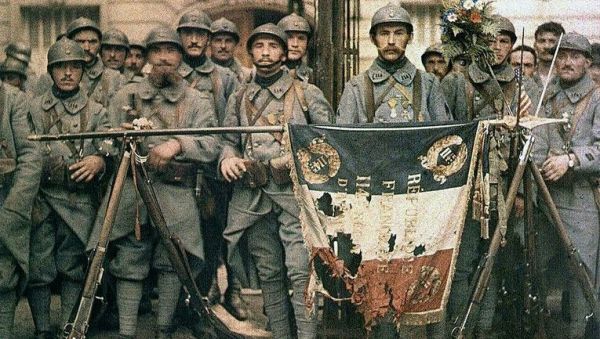
★★ Introduzione Questo è il primo di due articoli sulla Prima guerra mondiale del 1914-1918. Data la portata del conflitto e le diverse angolazioni da cui è possibile presentare le fasi principali, abbiamo scelto di dedicare questo primo articolo a quello che è noto come il "Fronte Occidentale", ovvero a tutte le battaglie che si... Continua a leggere →
The Roman army during the Late Empire (II)
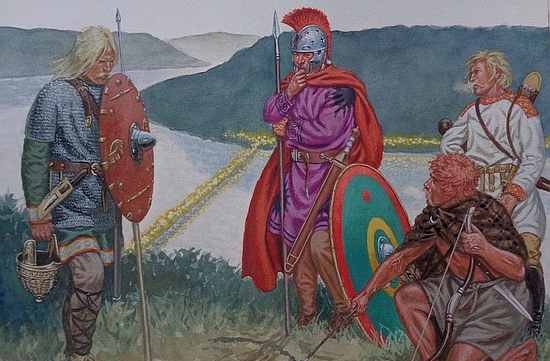
★★ Until the 4th century AD, the entire Roman army could be called a border army, since most of it, starting from the time of Augustus, was located along the borders, and there was a clear tendency to attach individual legions and cohorts to certain border provinces. That is, we can say that the border guard system... Continua a leggere →
The Roman army during the Late Empire (I)
★★ The economic crisis that struck the Empire in the 3rd century led to a sharp deterioration in the situation of all lower classes of the population and caused a number of powerful demonstrations of the masses in the provinces, Italy and in Rome itself. The deeper the process of development of the colonate, the enslavement of... Continua a leggere →
The Long Pivot The Development of the Joint Warfighting Concept
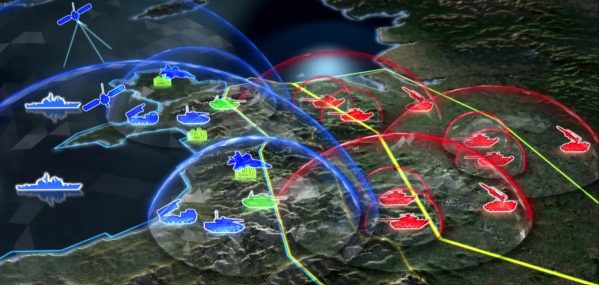
★★ The final withdrawal of troops from Iraq in December 2011 left most U.S. military leadership with the desire to shift their focus from counterinsurgency—which had achieved a position of intellectual dominance in the U.S. military during the war on terror in the late 2000s— back to conventional warfighting. The Service chiefs, who were responsible... Continua a leggere →
Fundamentals of Guerrilla Warfare: Theory and Practice (II)
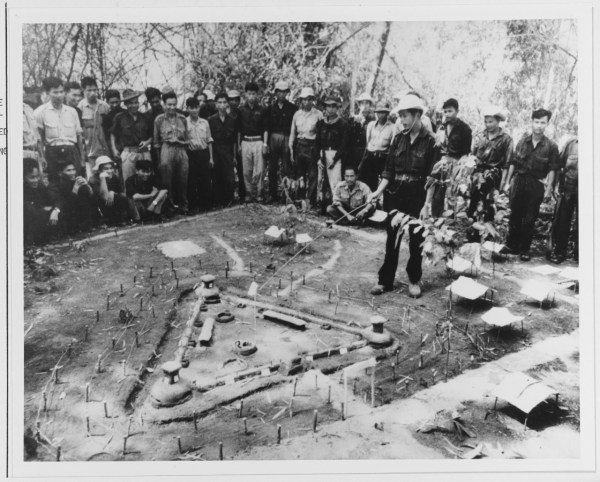
★★ Guerrilla units operating in cities must solve strictly defined tasks, limited in scale, being, in fact, reconnaissance and sabotage groups. This is due to the fact that, according to their conditions (high population density, dense transport network, active police and counterintelligence activities, etc.), cities, as well as suburban areas, are the most unfavorable terrain... Continua a leggere →
Fundamentals of Guerrilla Warfare: Theory and Practice (I)
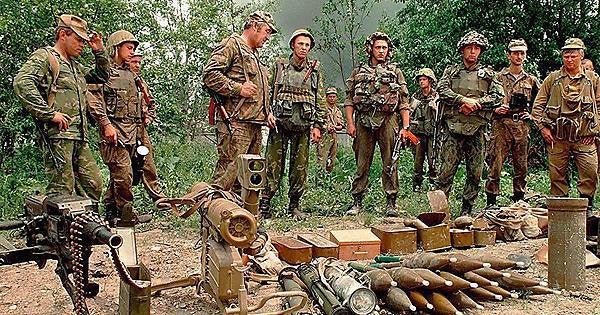
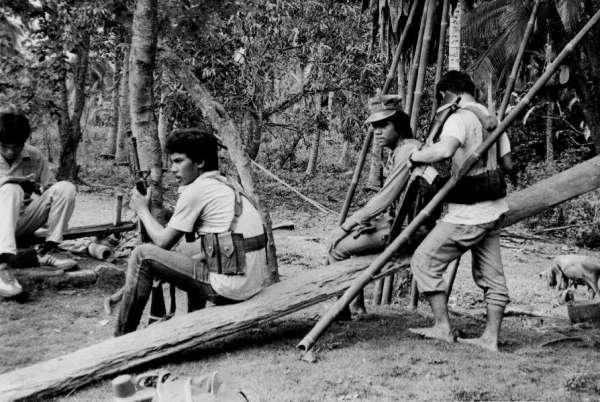
★★ DOZENS of more or less large-scale local conflicts that took place during the 20th century, as well as the experience of using guerrilla methods of armed struggle during World War II, allow us to make some generalizations and conclusions. Despite all their enormous diversity in political, military and geographical conditions, it is possible to... Continua a leggere →
Guerrilla Warfare [1954]
★★ No longer a limited military tactic, guerrilla warfare has political and economic consequences that can be more dangerous than the armed force employed. Guerrilla warfare is an open sore that annoys today, is a nuisance tomorrow, weakens in a month, and may cause death if not treated properly. Guerrilla warfare may be waged in... Continua a leggere →