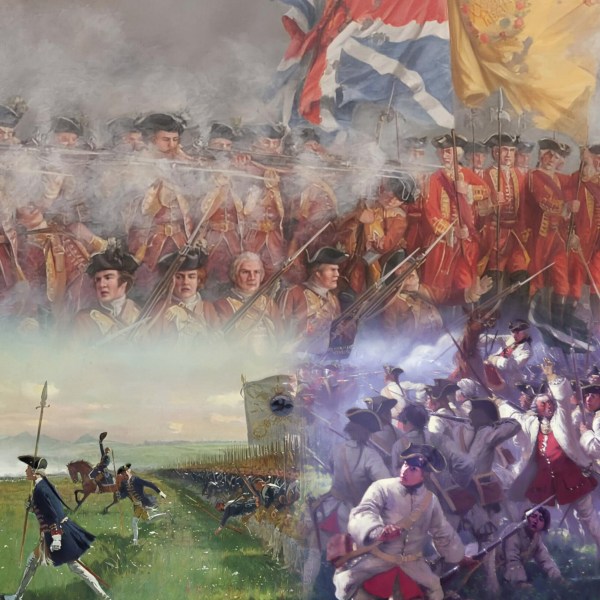
★★★ Abstract: Broken treaties, mutual aid agreements, imperial expansion, and the thirst for economic expansion all come to mind when thinking about the great world wars of 1914 and 1941, but they, in fact, occurred 158 years before. The great imperial powers of the day mustered great armies, deployed strong fleets, and hired mercenaries to... Continua a leggere →
Le navi da trasporto nell’evo antico: imbarcare la cavalleria
★★ Almeno nel concetto, il trasporto degli animali via mare è antico quanto la navigazione marittima a scopi commerciali praticata nel periodo della fine dell'età del Bronzo. Notizie scritte di trasporti di cavalli attraverso il mare si hanno infatti a partire dalla seconda metà del primo millennio a.C.. Le antiche talassocrazie avevano capito che il... Continua a leggere →
The Development of American Armor 1917-1940 (II)
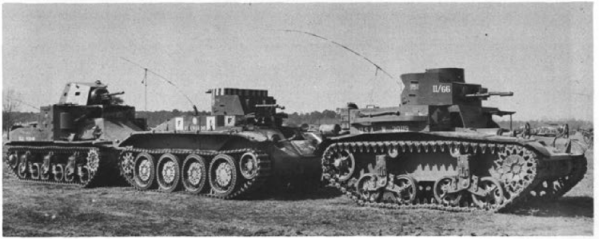
★★★ Official War Department doctrine called for tanks to be used as dose support weapons for the infantry, thus the wartime practices for the employment of tanks would continue. A board of officers convened by the War Department in 1919 to study tank tactics recognized the value of tanks as an adjunct to the infantry... Continua a leggere →
The Development of American Armor 1917-1940 (I)
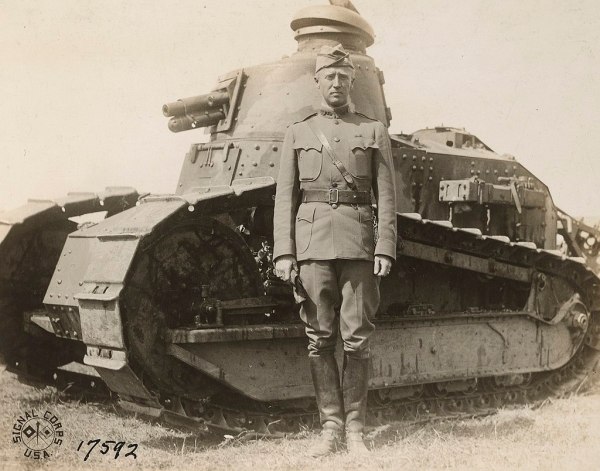
★★★ The world war I experience When the United States entered World War I, in April 1917, tanks had yet to prove their capabilities. Following the Battle of the Somme in 1916, the Allies had employed tanks with disappointing results. Because of their poor performance, the American Military Mission in Paris declared tanks a failure.... Continua a leggere →
A Brief History of the StG 44 the Father of Assault Rifles
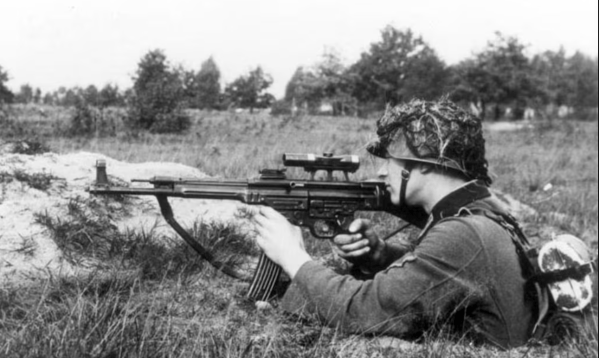
★★ Once upon a time there were two cartridges: the rifle and the pistol. The first one hits far and hard, but is difficult to control, while the second one is convenient, they have already learned to make good submachine guns from it, but it is limited in the range of effective use and does... Continua a leggere →
The military concept of the modern breakthrough, created by gen. Aleksei A. Brusilov
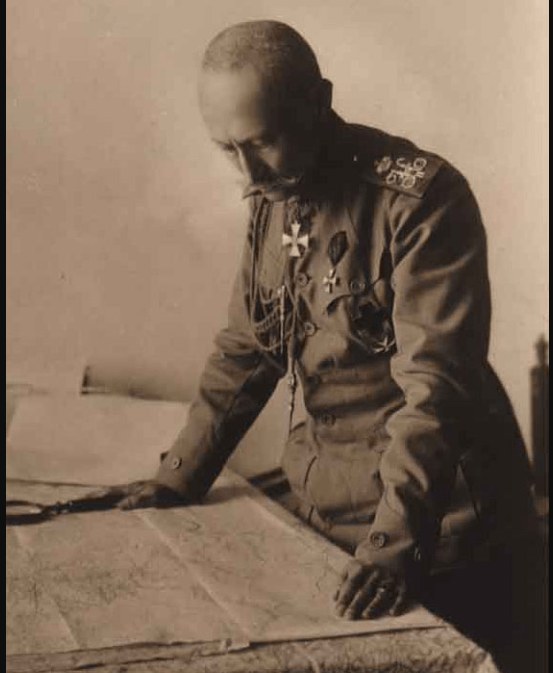
★★★ The Modern Breakthrough In the modern era of the novel Coronavirus plague, a revolutionary concept of the Breakthrough on the battlefield should be contemplated when considering engaging in the friction of war on all fronts. This modernized form of the Breakthrough should be understood and considered within the realm of the objective perspective... Continua a leggere →
Measuring combat effectiveness: a novel method based on two-dimensional frontline advancement rate
★★★★ Accurately measuring combat effectiveness is a cornerstone of military and political science research. Lanchester (1916) laid the foundation for this field with his renowned Lanchester equations, which focus on quantifying casualties based on the number of engaged combatants. These equations have profoundly influenced subsequent research, inspiring numerous variants over the decades. Notable adaptations include... Continua a leggere →
From Chivalry To Cavalry: The Development Of French Cavalry During The Early Modern Period
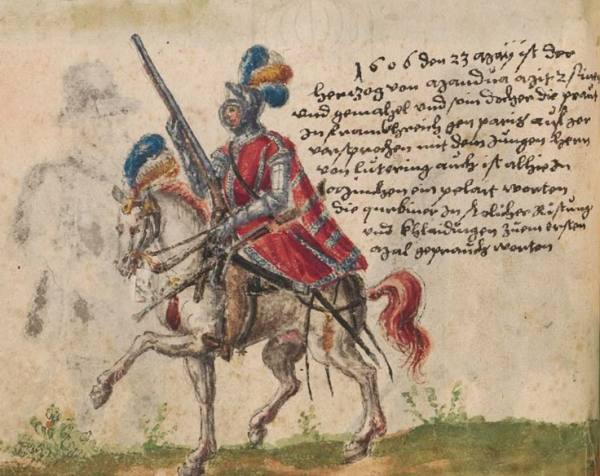
★★★ 18 minutes The early modern era saw distinct changes to the composition of armies, tactics, and the art of warfare itself. The return to the “classics” so advocated by the Renaissance period gave rise to the implementation of mass infantry formations, composed of pike and shot, subsequently changing the role of the medieval knight... Continua a leggere →
Strategy, Tactics, Logistics and Invention [ed.1917]
9 minutes Perhaps no four words are more vaguely understood than the four words that head this page. Strategy comes from two Greek words: stratos, an army, and agein, to lead. These two words were combined in the Greek language to form the word strategos, which we translate by the word "general." Among the many... Continua a leggere →
Interwar innovation in Three Navies: U.S. Navy, Royal Navy, Imperial Japanese Navy
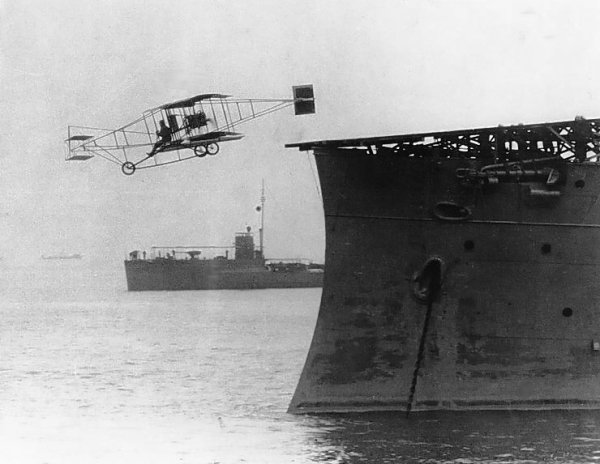
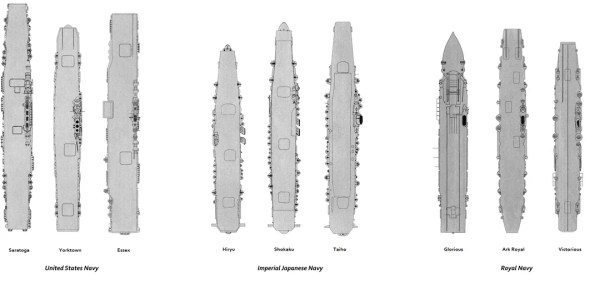
★★★★★ In 1919, three major naval powers—Great Britain, Japan, and the United States—faced two major challenges: integrating new technology into their doctrines and organizations, and coping with reduced naval expenditures and arms treaties that carne as a postwar reaction to armaments spending. In effect, money available for naval development and construction was declining at precisely... Continua a leggere →