13 minuti In un articolo precedente [1] ho trattato – sommariamente e senza la pretesa di essere esaustivo – quella rottura di faglia che furono le Small Wars ed il loro impatto sugli esercizi e sulle loro dottrine di impiego. Circa un secolo prima di questa lenta e diluita “rivoluzione”, dai risvolti non subito evidenti,... Continua a leggere →
La guerra russo-giapponese (1904-1905)
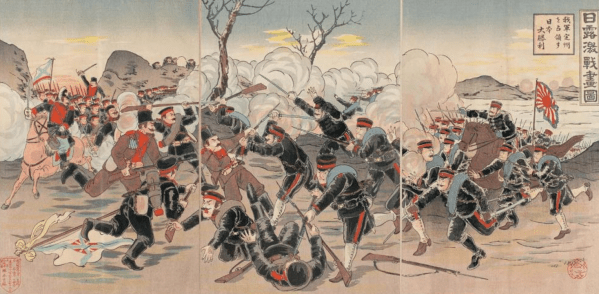
★★ La guerra del 1904-1905 tra Russia e Giappone fu uno dei conflitti più importanti degli inizi del XX secolo. Ciò ebbe notevoli conseguenze politiche (ad esempio la rivoluzione in Russia dopo la sconfitta), ma cosa ancora più importante, la natura degli scontri prefigurava, in un dettaglio, quella degli scontri della guerra del 1914-1918, un... Continua a leggere →
Mongols and Maneuver Warfare (II)
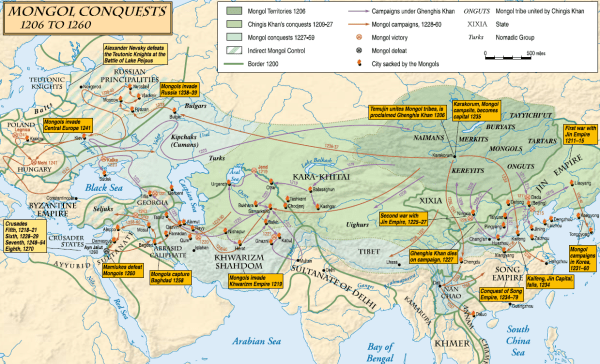
30 minutes The Mongol Invasion of Europe "The greatest happiness is to vanquish your enemies, to chase them before you, to rob them of their wealth, to see those dear to them bathed in tears, to clasp to your bosom their wives and daughters." Genghis Khan In 1227, Genghis Khan died at the age of... Continua a leggere →
Mongols and Maneuver Warfare (I)
21 minutes Introduction Genghis Khan was born sometime between 1155 and 1167 (some sources place 1162 as the date, but there is no confirmation) into the Borjigin clan on the bank of the Onon River, east of Lake Baikal. He was born with the name Temujin (or Temuchin, based on which source you use), which... Continua a leggere →
Replacing Battleships with Aircraft Carriers in the Pacific in World War II (II)
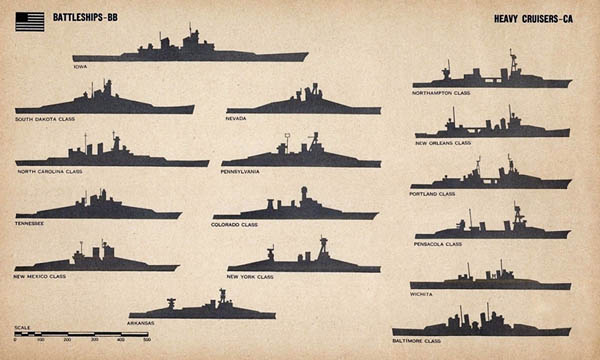
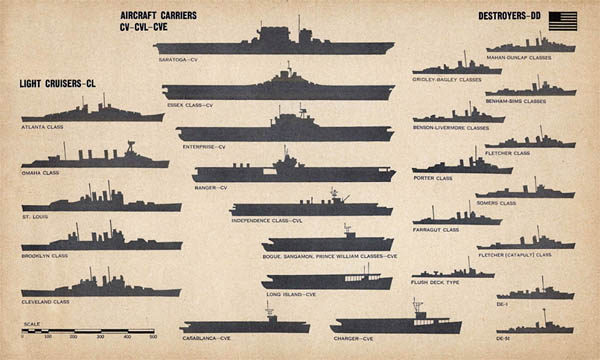
★★★★ 29 minutes Lundstrom quotes Captain Duckworth as saying that the essential tactical lessons for using multiple carriers had been demonstrated in 1942 and that “all we did was apply them in the summer & fall of 1943.” [55] But two other oftenunmentioned developments were essential if multicarrier U.S. task forces were to raid far... Continua a leggere →
Replacing Battleships with Aircraft Carriers in the Pacific in World War II (I)
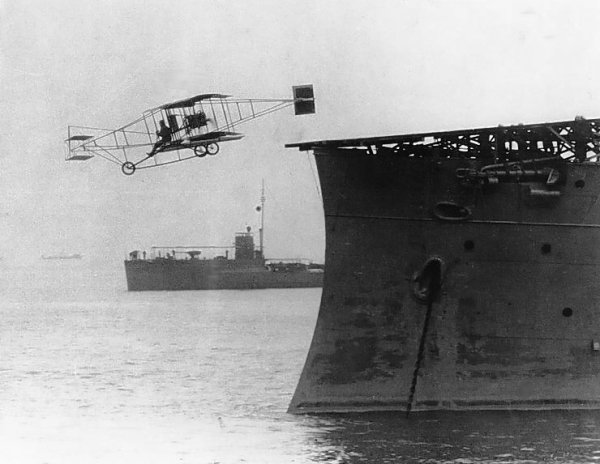
★★★★ This is a case study of operational and tactical innovation in the U.S. Navy during World War II. Its purpose is to erase a myth—the myth that Navy tactical and operational doctrine existing at the time of Pearl Harbor facilitated a straightforward substitution of carriers for the battleship force that had been severely damaged... Continua a leggere →
La Sicile dans la stratégie carthaginoise durant la guerre d’Hannibal
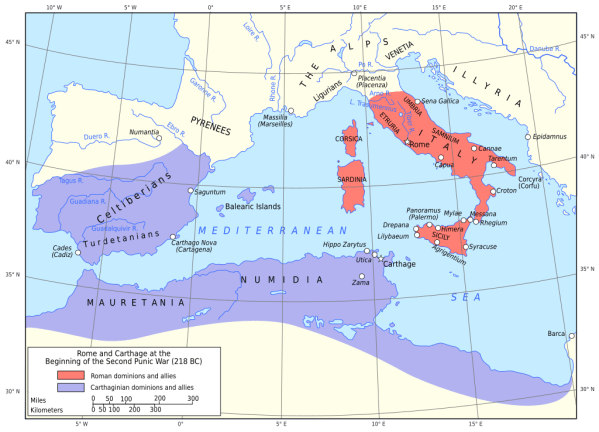
40 minutes Concernant les guerres puniques, les études ne manquent pas qui décrivent les mouvements de troupes, les innovations tactiques, les implications politiques et économiques ou les motivations des deux cités pour entrer en guerre[1]. Cependant, rares sont les analyses concernant la stratégie à long terme de Carthage, en tenant compte de son double statut... Continua a leggere →
Existe-t-il une culture stratégique européenne ?
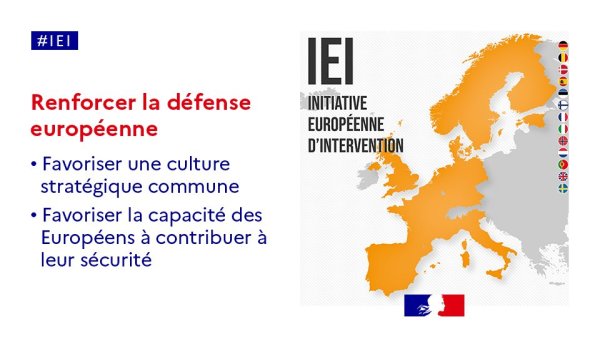
29 minutes La notion de « culture stratégique » s'impose aujourd'hui dans la théorie des relations internationales, où elle combat le courant constructiviste. Cette perspective m'était encore étrangère lorsque, au début des années 1990, j'ai utilisé l'expression pour caractériser l'expérience stratégique des Etats-Unis et de la France[1]. Essentiellement historien de formation, je m'appuyais fortement sur... Continua a leggere →
Military History and Military Theory
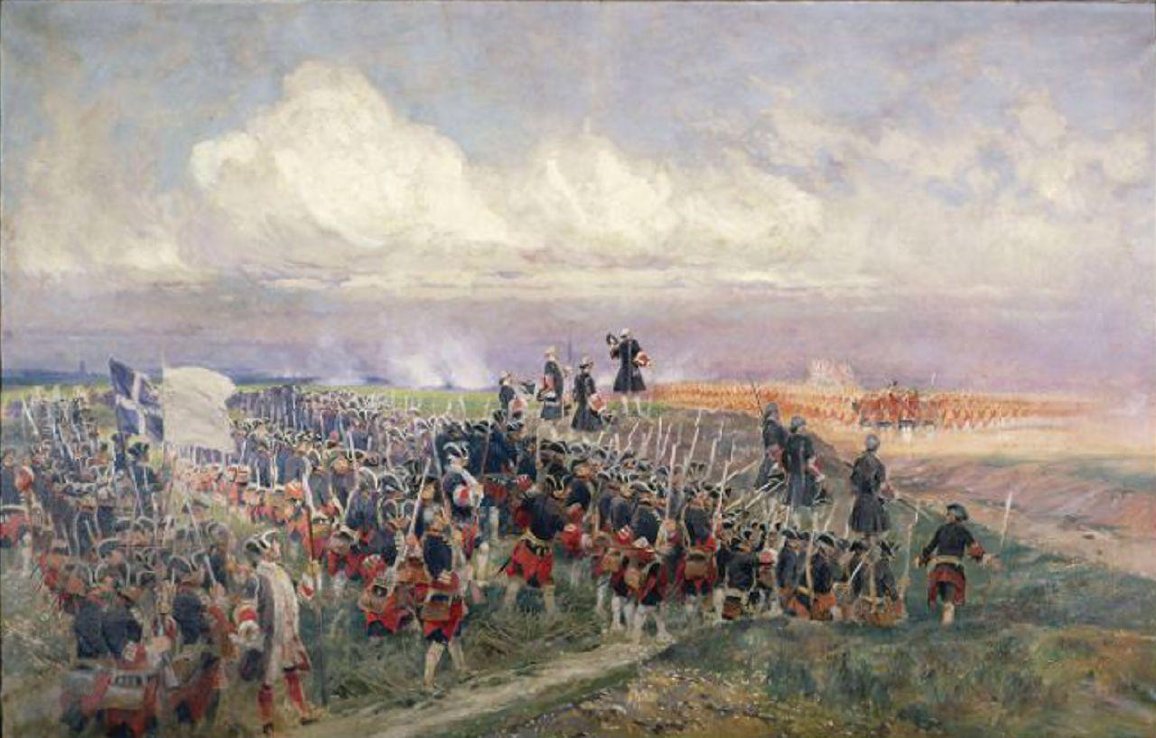
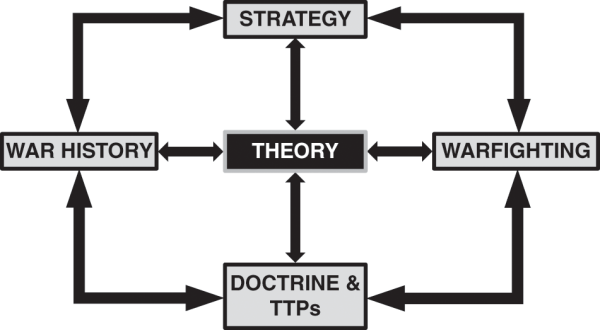
★★★ Introduction War is a human phenomena that occurs everywhere and has done so throughout the ages. This has given rise to both military history and military theory as fields of study. The relationship between them is not a simple one. At the heart of the problem lies the way in which historical experience can... Continua a leggere →
Goth tactics of the 4th century, as exemplified by the Battle of Salices (377)
24 minuti Le fonti tardoantiche e bizantine antiche caratterizzano le tattiche gotiche con vari gradi di completezza, a partire dalla metà del III secolo e terminando con la metà del VI. Il modo di agire dei Goti in battaglia nel IV secolo è presentato, in sostanza, da una fonte principale: il resoconto del militare Ammiano... Continua a leggere →