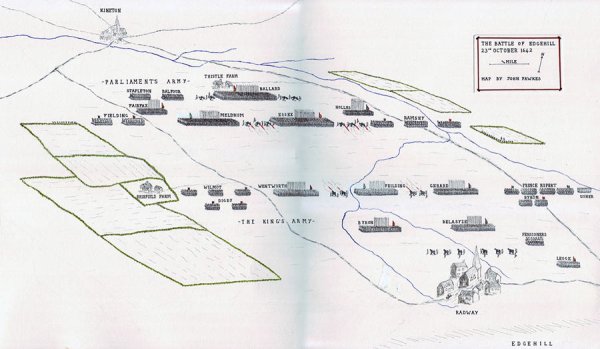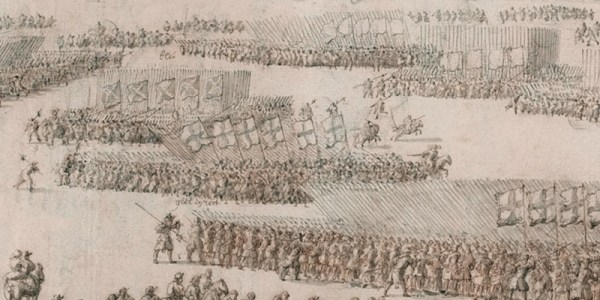
★★ Before marching out on campaign, an army commander in the early Seventeenth century would decide upon a plan for the deployment of his army for battle. He might discuss the alternatives beforehand with his senior subordinates or he may impose his own preference. Once the decision had been made, a plan would be drawn... Continua a leggere →
English Civil War Formations and Tactics
★★ Introduction As what one might term a veteran re-enactor with over twenty-two years in the hobby, I have become very familiar with the debate on the level of accuracy/inaccuracy in the various elements portrayed by participants on the field. I do not intend here to enter into this debate, rather, the object of this... Continua a leggere →
Grand Tactics of the 17th Century
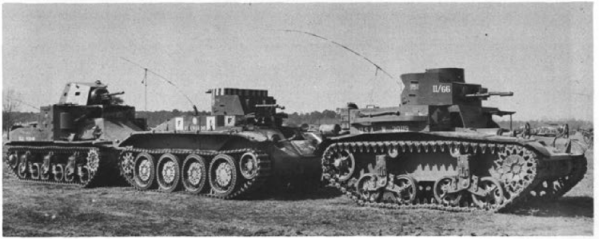
★★ Theodore Dodge wrote in his tome, Gustavus Adolphus, that the Thirty Years War did not have grand tactics. He was not alone in that belief. Dodge served in the American Civil War and studied Napoleon's campaigns, as well as those of the 17th Century. In order to grasp this statement, we must define Grand Tactics.... Continua a leggere →
The Development of American Armor 1917-1940 (II)
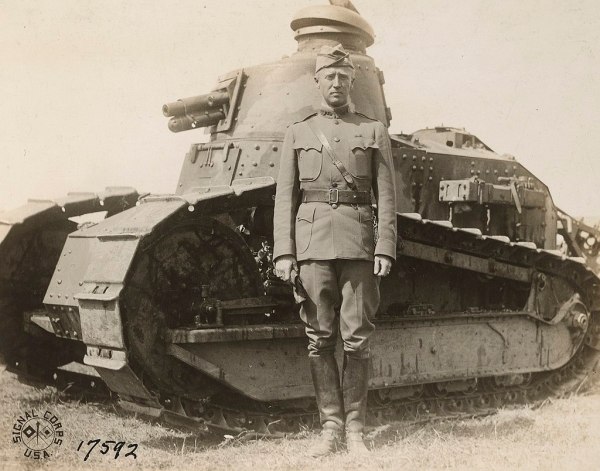
★★★ Official War Department doctrine called for tanks to be used as dose support weapons for the infantry, thus the wartime practices for the employment of tanks would continue. A board of officers convened by the War Department in 1919 to study tank tactics recognized the value of tanks as an adjunct to the infantry... Continua a leggere →
The Development of American Armor 1917-1940 (I)
★★★ The world war I experience When the United States entered World War I, in April 1917, tanks had yet to prove their capabilities. Following the Battle of the Somme in 1916, the Allies had employed tanks with disappointing results. Because of their poor performance, the American Military Mission in Paris declared tanks a failure.... Continua a leggere →
Extending the Battlefield [ed. 1981]
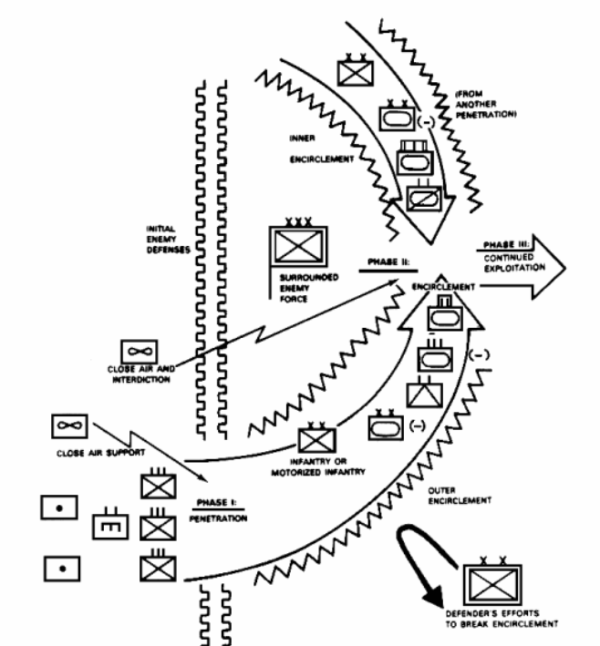
★★★ General Donn A. Starry made the following comments on the genesis of this March 1981 article and AirLand Battle: “The ultimate lesson of `Active Defense’ and the 1976 edition of FM [US Army Field Manual] 100-5 [Operations] is that it is virtually impossible to substantively rewrite doctrine satisfactorily in a matter of three years,... Continua a leggere →
Combined Arms Theory and Practice in the 20th Century
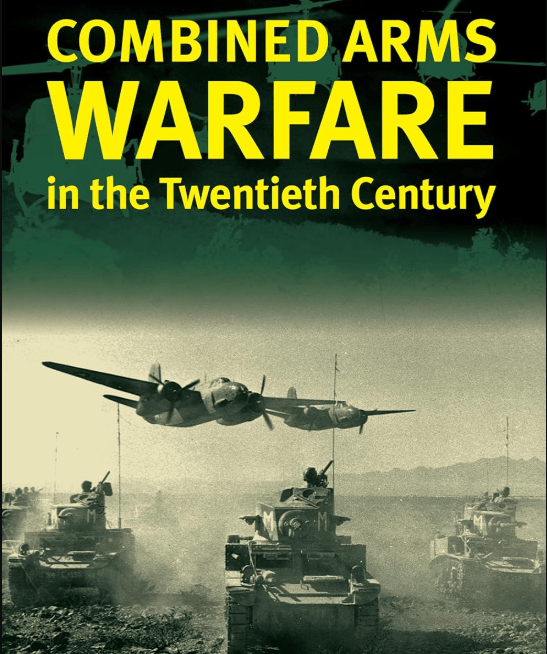
★★ Part 1: England: "Hurry up and proceed with caution!" In 1918, the British Empire was the world leader in both the development of armored equipment and tactics. The attitude prevalent at the time in most armies was still that the tank was a specialized infantry-support weapon useful in crossing entrenchments but not much else.... Continua a leggere →
A Brief History of the StG 44 the Father of Assault Rifles
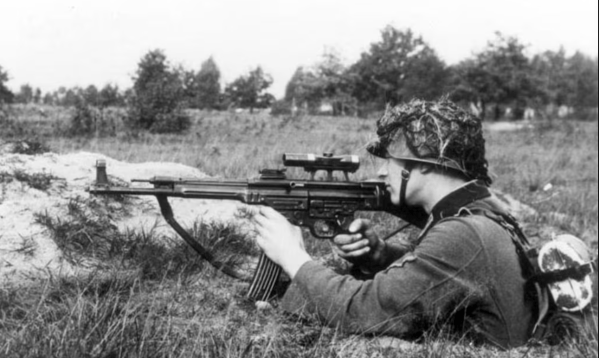
★★ Once upon a time there were two cartridges: the rifle and the pistol. The first one hits far and hard, but is difficult to control, while the second one is convenient, they have already learned to make good submachine guns from it, but it is limited in the range of effective use and does... Continua a leggere →
D-Day 1944 – Air Power Over the Normandy Beaches and Beyond
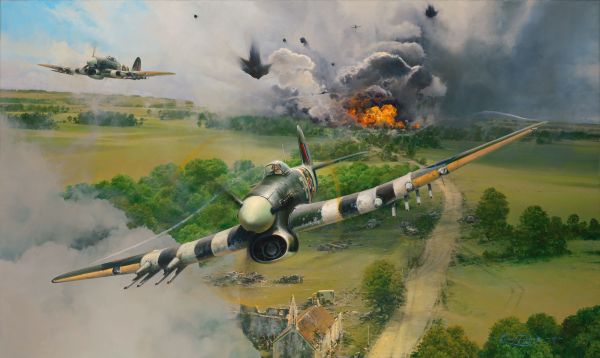
★★★ Operation Overlord, the Normandy invasion--like William the Conqueror's before it or the Inchon landing afterwards--will long be studied as a classic in military planning, logistics, and operations. OVERLORD depended to a remarkable degree upon the use of air power in virtually all its forms. A half-century ago, aircraft were primitive vehicles of war compared to... Continua a leggere →
America’s Byzantine strategy
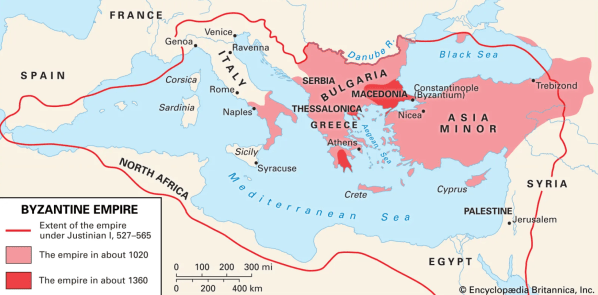
★★ The Roman Empire was the longest-lasting empire in world history, enduring more than fourteen centuries. Throughout its republican and imperial history, Rome relied heavily on military power, using conquest to expand the empire. As Luttwak observes in Grand Strategy of the Roman Empire (epilogue), the legion was the basic tactical unit of the Roman army that... Continua a leggere →